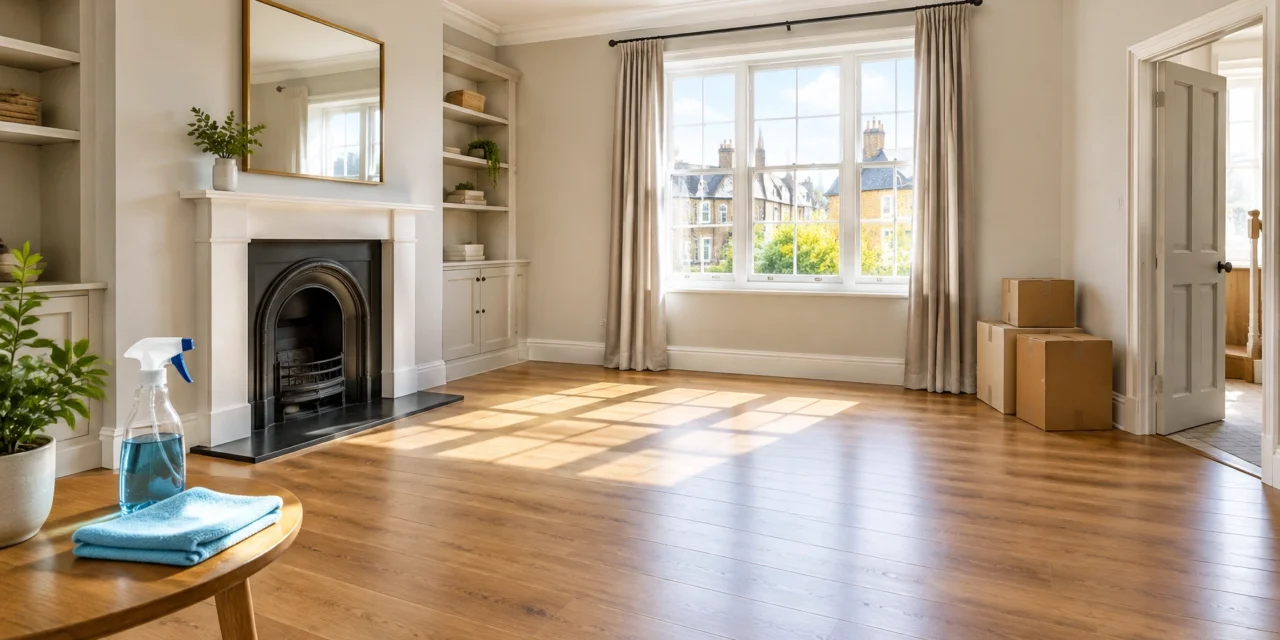
Moving out of a rented property can be stressful, especially when you are trying to protect your deposit and meet a check-out deadline. A thorough clean is one of the most important parts of handing back your home.
This practical guide to end of tenancy cleaning in Bury St Edmunds covers what to clean in every room, what letting agents and landlords commonly check, and when it may be worth booking professional cleaners in Suffolk.
Whether you are leaving a flat in the town centre, a house in Moreton Hall or a rental property elsewhere in Suffolk, use your original inventory as the main guide.
Why end of tenancy cleaning matters
Your tenancy agreement will usually require you to return the property in a similar condition to when you moved in, allowing for fair wear and tear. This includes cleanliness.
A landlord should not expect you to leave the property cleaner than it was at the beginning of your tenancy. However, they may be able to claim reasonable cleaning costs if the property is noticeably dirtier than it was at check-in.
Common reasons for cleaning-related deposit deductions include:
- Grease and burnt-on food in the oven
- Limescale in bathrooms
- Food left in cupboards or appliances
- Dirty carpets or floors
- Dust, cobwebs and marked surfaces
- Rubbish left inside or outside the property
- Mould or heavy staining that was not recorded at check-in
Before you start, read your check-in inventory carefully. It may describe the original condition of individual rooms, carpets, appliances and fittings. The inventory should be your room-by-room cleaning checklist.
For further guidance about deposit deductions and fair wear and tear, see Shelter England’s tenancy deposit advice.
What happens at a check-out inspection?
A letting agent, landlord or inventory clerk will usually compare the condition of the property with the check-in inventory. They may look at:
- Cleanliness of each room
- Condition of floors, carpets and walls
- Inside cupboards, wardrobes and drawers
- Kitchen appliances
- Bathroom fixtures and fittings
- Windows, sills and frames
- Garden, shed, garage or bins, if included in the tenancy
- Keys, light bulbs and supplied items
The inspection is usually more detailed than a quick tidy-up. Cleaning the visible areas is not enough if cupboards, appliances or hard-to-reach areas are also listed in the inventory.
Once the property is empty, take clear, dated photographs of every room. Photograph the inside of the oven, fridge, cupboards, bathrooms and any areas that could be disputed later. Keep receipts if you use professional cleaners.
Before you begin: a simple preparation checklist
Complete these jobs before your final clean:
- Remove all furniture, boxes and personal belongings
- Empty internal and external bins
- Check the inventory for landlord-owned items
- Gather all keys, fobs and window keys
- Take final meter readings
- Keep water and electricity connected until after the inspection
- Check that light bulbs are working
- Test smoke and carbon monoxide alarms
- Open windows for ventilation where safe
- Work from the top of each room down to the floor
Cleaning an empty property is much easier than cleaning around furniture. If possible, arrange your end of tenancy cleaning after your belongings have been removed.
Whole-property cleaning checklist
Use this list in every room:
- Remove cobwebs from ceilings, corners and behind doors
- Dust and wipe skirting boards
- Clean doors, frames, handles and hinges
- Wipe light switches, sockets and light fittings carefully
- Dust radiators, curtain rails, blinds and vents
- Clean internal windows, frames, handles and sills
- Spot-clean marks on walls where appropriate
- Vacuum carpets, including edges and corners
- Sweep and mop hard floors
- Clean mirrors and glass
- Empty and wipe built-in storage
- Check behind and underneath furniture or appliances
Do not soak electrical fittings, sockets or switches. A slightly damp cloth is normally sufficient.
Kitchen end of tenancy cleaning checklist
The kitchen is one of the areas most closely checked during a tenancy check out cleaning inspection. Grease, crumbs and food residue are easy to spot, particularly in an empty room.

Appliances
- Deep-clean the oven, including the racks, trays, door glass and seals
- Degrease the hob, controls and splashback
- Clean the extractor hood and filter
- Empty, defrost and clean the freezer
- Wash fridge shelves, drawers, walls and door seals
- Leave the fridge and freezer doors slightly open if they are switched off
- Clean the microwave inside, outside and underneath the turntable
- Clean the dishwasher filter, spray arms and door seals
- Wipe the washing machine drum, drawer and rubber seal
- Remove crumbs and food residue from smaller appliances
Cupboards and surfaces
- Empty every cupboard and drawer
- Vacuum crumbs from corners
- Wipe inside, outside, underneath and on top of units
- Clean handles, hinges and drawer runners
- Degrease worktops and splashbacks
- Clean tiles and grout
- Descale the sink, taps and plughole
- Wash and disinfect the bin, including the lid
- Remove all food, bottles and cleaning products
Finish by sweeping and mopping the floor, including around and underneath movable appliances.
Bathroom and WC checklist
Bathrooms can quickly show limescale, soap marks and mould, so allow plenty of time for this part of the clean.

- Descale the bath, shower tray, taps and shower head
- Clean both sides of the shower screen
- Remove soap residue from tiles and fittings
- Clean grout and treat mould where appropriate
- Scrub the basin, plughole and overflow
- Clean the toilet bowl, seat, lid, cistern and flush
- Wipe the toilet base and the floor behind it
- Clean mirrors without leaving streaks
- Dust the extractor fan cover
- Wipe bathroom cupboards and shelves inside and out
- Sweep and mop the floor, including around the toilet
Check the original inventory for any supplied shower curtains, bath mats or storage items. These may also need to be washed or cleaned.
Bedrooms, lounge and living areas
Living areas may appear clean after furniture is removed, but dust often remains behind units and around skirting boards.
- Empty and clean wardrobes, drawers and built-in cupboards
- Wipe wardrobe rails and the tops of furniture
- Dust shelves, picture frames and light fittings
- Clean doors, handles and frames
- Vacuum carpets carefully around the edges
- Vacuum under beds, sofas and other furniture
- Spot-clean removable marks where possible
- Dust curtain rails, blinds and window ledges
- Vacuum upholstery and mattresses if they were supplied
- Clean hard floors, including underneath movable furniture
Do not attempt to repaint walls or repair damage without checking your tenancy agreement or speaking to your landlord. Cleaning marks is different from repairing damage.
Hallways, stairs and entrance areas
Hallways and stairs receive heavy use and can influence the first impression during a check-out inspection.
- Vacuum stairs, risers, corners and landings
- Wipe bannisters, spindles and handrails
- Clean the front door inside and out where accessible
- Wipe the letterbox, door furniture and handles
- Spot-clean scuffs on walls
- Empty and clean under-stairs cupboards
- Dust coat hooks, shelves and skirting boards
- Mop hard flooring around the entrance

Garden, shed, garage and outdoor areas
If outdoor areas are included in your tenancy, they may also be recorded in the inventory.
- Remove personal items and rubbish
- Empty and rinse bins
- Sweep paths, patios and driveways
- Mow the lawn if garden maintenance is your responsibility
- Remove obvious weeds and fallen leaves
- Sweep sheds, garages and storage areas
- Leave landlord-owned garden equipment where it was found
You do not usually need to carry out major landscaping. The aim is to return the area to the standard recorded at the start of the tenancy.
When should you book professional cleaners?
DIY cleaning can work well if you have enough time and the property is small. However, professional cleaning services in Bury St Edmunds may be worthwhile when:
- Your tenancy is ending within a few days
- The property is large or has several bathrooms
- The oven, carpets or bathrooms need intensive cleaning
- You are moving a long distance
- You are balancing cleaning with work, childcare or removals
- Your tenancy agreement refers to professional carpet or oven cleaning
- You want a written receipt for your records
At Cleaning, we provide end of tenancy and deep cleaning services for tenants, landlords and letting agents across Bury St Edmunds and surrounding Suffolk areas. Our work focuses on the areas commonly checked at the end of a tenancy, including kitchens, bathrooms, floors, appliances, cupboards and general surfaces.
Remember that you cannot normally be charged simply because you chose not to use a professional cleaner. The important point is that the property is returned to the same level of cleanliness as at check-in. The Tenancy Deposit Scheme explains how cleaning claims are assessed.
Final check-out checklist
Before leaving, walk through the property one final time:
- Compare every room with the original inventory
- Check inside cupboards, drawers and appliances
- Remove all rubbish
- Check the oven and fridge
- Make sure bathrooms are dry, clean and free from limescale
- Check carpets and hard floors
- Take dated photographs
- Record meter readings
- Return every key and fob
- Keep cleaning receipts and inspection correspondence
A careful, room-by-room approach gives you the best chance of a smooth handover and helps reduce the risk of avoidable deposit deductions.
If you need help with move out cleaning in Bury St Edmunds, contact Cleaning to discuss your property and the areas that need attention. We also provide one-off deep cleans and tenancy check-out cleaning across Suffolk.
Frequently asked questions
How clean does a rental property need to be at the end of a tenancy?
You should aim to return it to the same standard of cleanliness recorded at check-in, allowing for fair wear and tear. This includes rooms, floors, appliances, cupboards, bathrooms and any outdoor areas included in the tenancy.
Can a landlord insist on professional end of tenancy cleaning?
A landlord may ask for a professional clean in the tenancy agreement, but cleaning deductions should still be reasonable and linked to the property’s condition at check-in. You should not normally be charged to make the property cleaner than it was before.
How long does end of tenancy cleaning take?
The time depends on the size and condition of the property. Kitchens, bathrooms, ovens and carpets often take the longest. A small flat may take several hours, while a larger home may require a full day or more.
Should I clean before or after moving out?
Clean after all furniture and personal belongings have been removed. This makes it easier to reach floors, cupboards, skirting boards and the areas behind appliances.
Should I keep proof of cleaning?
Yes. Keep dated photographs, professional cleaning receipts and emails with your letting agent. These can be useful if there is a disagreement about the condition of the property.