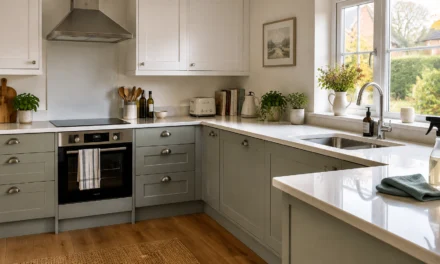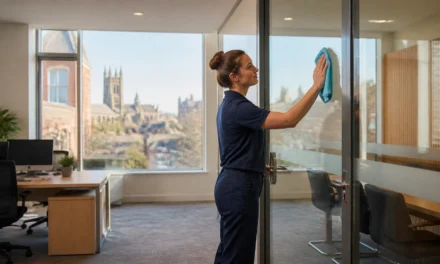
A customer often starts forming an impression of your business before they step inside. Clear windows, a tidy entrance and clean floors can make a shop or salon feel welcoming and well cared for. Smudged glass, dusty counters or a neglected toilet can have the opposite effect.
For small businesses, keeping on top of cleaning while serving customers and managing staff can be a challenge. A reliable commercial cleaning routine helps you maintain a presentable space without adding another job to your day. Here’s what to consider when arranging commercial cleaning in Bury St Edmunds and the surrounding Suffolk area.
Why cleanliness matters in a customer-facing business
Customers notice the details: the state of the doorway, the counter where they pay, the mirror they use or the chair where they wait. A consistently clean space helps people feel comfortable browsing, booking an appointment or returning for another visit.
Cleanliness also supports the wellbeing of staff and visitors. The Health and Safety Executive (HSE) says a healthy workplace should be clean, well ventilated and free from obstructions on floors and traffic routes. You can read its overview of workplace facilities and a healthy working environment.
For a florist, salon, bakery or gift shop, cleaning needs can differ from one day to the next. Rainy weather may bring extra dirt through the entrance; busy trading can mean more fingerprints, litter or full bins. A sensible cleaning plan takes account of how your premises are actually used.

What should commercial cleaning cover?
The right cleaning specification will depend on your premises, trading hours and budget. For many small shops and salons, regular cleaning can include:
- Shopfront and entrance: cleaning accessible internal glass, door handles and the entrance area; shaking or vacuuming mats; and removing visible marks and dirt.
- Floors: vacuuming, sweeping or mopping to suit the floor type, with particular care around entrances, displays and customer routes.
- Counters and till areas: wiping suitable surfaces and frequently touched points such as counter edges and door handles.
- Customer areas: cleaning mirrors, seating and accessible surfaces; for clothing shops, this may include fitting-room floors, mirrors and touchpoints.
- Toilets: cleaning and checking toilets, basins, taps and dispensers, and emptying bins as agreed.
- Staff areas and stockrooms: taking out waste, cleaning accessible surfaces and keeping walkways clear.
A salon may also need attention to styling stations, chairs and basins. Hair on the floor should be removed promptly, and shared equipment should be cleaned or disinfected in line with the salon’s own procedures. A bakery may need an agreed approach to food preparation areas and food-contact surfaces, following its food safety arrangements. Be clear about which areas are included and what specialist procedures your business requires.

How is shop or salon cleaning different from office cleaning?
There is some overlap. Both may involve floors, bins, toilets, kitchens or staff areas. But a shop or salon has a larger focus on the spaces customers see and use: the entrance, display areas, reception, tills, mirrors, waiting areas and fitting rooms.
Office cleaning in Bury St Edmunds often centres on workstations, meeting rooms and shared staff facilities. In retail and personal services, the cleaning plan also needs to fit customer footfall and the way the business trades. For example, a salon may need floors checked more often during a busy day, while a shop may need extra attention to its entrance after wet weather.
When comparing cleaning services in Bury St Edmunds, ask how the provider will tailor the schedule to your premises rather than simply applying an office checklist.
Daily cleaning and periodic deep cleans
Routine cleaning keeps the business presentable day to day. It usually covers visible dirt, floors, touchpoints, bins and the customer and staff areas you use regularly.
A periodic deep clean deals with the build-up that routine visits may not cover. Depending on your premises and agreed specification, it might include detailed work on edges and corners, skirting boards, less accessible areas, internal glass, upholstery or hard floors. It can also be useful after a refurbishment or a particularly busy period.
A deep clean is not a replacement for regular cleaning. The two work together: routine visits maintain the standard, while deeper work tackles areas that need more time and attention.
How often should a shop or salon be cleaned?
There isn’t one schedule that suits every business. Footfall, floor space, opening hours, the type of work you do and the number of toilets all affect how often cleaning is needed. A practical starting point might be:
- During the day, as needed: deal with spills promptly, remove visible dirt or hair, and check busy toilets and entrances.
- Daily: clean floors, customer touchpoints, counters, reception areas, bins and toilets, according to use.
- Weekly: give attention to detail areas such as accessible edges, corners, shelving and less frequently used spaces.
- Periodically: arrange deeper floor care, internal glass cleaning or other tasks that aren’t needed at every visit.
Use this as a guide rather than a fixed rule. A small, quiet gift shop may need a different routine from a busy salon or bakery. A walk-through with your cleaner can help identify the areas that need daily attention and those that can be scheduled less often.
Cleaning safely while you’re trading
Cleaning around customers requires good timing and clear communication. Some tasks may fit better before opening or after closing; others, such as a quick spill clean-up, can’t wait. Agree in advance which areas can be cleaned during trading, how customers will be kept away from wet floors and how staff can request attention to an urgent issue.
Products should be used safely and appropriately for the surface being cleaned. Where chemicals are involved, the business and cleaning provider should understand the relevant COSHH controls, follow product instructions and take suitable steps to limit exposure. The HSE’s COSHH guidance for service and retail businesses explains how the guidance applies to these settings. Cleaning products should be stored securely, and staff should never mix products.

Choosing a local cleaning partner
Before agreeing a contract, ask a potential cleaner:
- What exactly is included in each visit, and what costs extra?
- Can the schedule fit around your opening and closing times?
- Are they insured, and can they provide references?
- Who will clean your premises, and how will they access it securely?
- What products and methods will they use on your surfaces?
- How can you report a missed task or request a change to the schedule?
A clear specification helps avoid misunderstandings. It should set out the areas, tasks, visit frequency and any extras, such as consumables or periodic floor care. It’s also useful to agree how work will be checked and how the plan can change if your business gets busier.
Keep your business ready to welcome customers
From spotless shopfront glass to clean floors and fresh customer areas, a reliable routine can make a noticeable difference to how your premises feel. Whether you run a salon, barber, florist, bakery or independent shop, the best plan is one that suits your space and trading hours.
If you’re looking for professional cleaners in Suffolk, start with a walk-through and a straightforward discussion about what your business needs. A tailored schedule can help you keep the important areas in order, without disrupting the service you provide to customers.