A regular office clean keeps everyday dirt under control. But desks, carpets, kitchen corners and other less-accessible spots can still collect grime over time. That is where a one-off office deep clean can help: it focuses on the areas that may sit outside your usual cleaning routine.
For businesses, landlords and office managers in Bury St Edmunds and surrounding Suffolk, knowing what a deep clean includes makes it easier to plan the work and get a useful quote. Here’s what to consider, and how a one-off clean can work alongside your regular commercial cleaning.
What does an office deep clean involve?
There is no single checklist that suits every workplace. A small office with hard floors will need a different approach from a larger site with carpeted meeting rooms, shared kitchens and several washrooms.
The best starting point is a walk-through and an agreed list of tasks. A deep clean may cover the following areas.
1. Hard-to-reach areas and surfaces
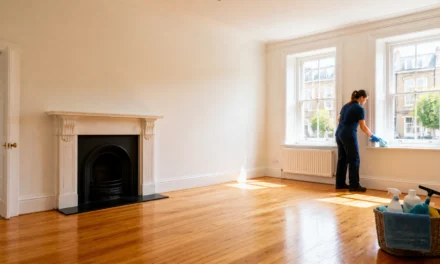
Routine cleaning often concentrates on open, frequently used surfaces. A deep clean can give more attention to the edges and corners that are easy to miss, such as skirting boards, ledges, radiator tops, cupboard tops, door frames and areas behind or beneath furniture.
Moving furniture should be agreed in advance. Cleaners should not disconnect computers, printers or other electrical equipment unless this has been specifically arranged. Staff can help by clearing desks and identifying delicate items before work begins.

2. Carpets, floors and upholstery
Carpets in entrances, corridors and meeting rooms can hold dust and marks that everyday vacuuming does not remove. Depending on the carpet and its condition, a deep clean may include detailed vacuuming, spot treatment and a suitable extraction or low-moisture cleaning method.
Hard floors may need a thorough clean to remove built-up soil, with any additional treatment chosen to suit the floor material. Office chairs and fabric seating can also be assessed for vacuuming and stain treatment. It is sensible to check fabric and flooring instructions before selecting a method.
These jobs can involve drying time, so plan them for a suitable period, often outside busy working hours, and allow rooms to air before use.

3. Kitchens and breakout areas
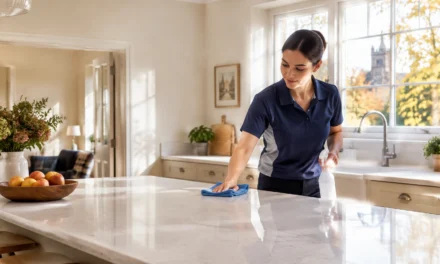
Shared kitchens see plenty of daily use. During a deep clean, the scope might include worktops, sinks, taps, splashbacks, cupboard fronts, tables, chairs and floors. Appliance exteriors can be included, with appliance interiors added where they are safe and practical to clean.
It helps to be specific about what is included. For example, “kitchen clean” might mean wiping visible surfaces, or it might include cleaning inside a microwave and fridge after staff have emptied them. Agreeing the details beforehand avoids surprises and gives the cleaning team a clear brief.

4. Washrooms
Washroom deep cleaning may cover toilets, urinals, basins, taps, mirrors, dispensers, cubicle surfaces, floors and other sanitary areas. Touch points such as flushes and door handles also need attention. Where consumables are part of the service, replenishment should be agreed as well.
If there is a persistent odour or a maintenance issue, it is worth raising it separately. Cleaning can address dirt and residue, but problems such as a leak or faulty ventilation may need a repair.
5. High-touch and shared points
Door handles, light switches, push plates, handrails, taps and shared equipment are touched throughout the day. A planned clean can give them focused attention, using a suitable method for each surface. Electronic items such as keyboards, phones and touchscreens need particular care: cleaning products should not be applied in a way that could damage equipment.
The Health and Safety Executive’s guidance on cleaning and disinfecting surfaces is a useful reference for safe working practices. The right products and methods depend on the surface, the task and the product instructions.
When might a Bury St Edmunds business book a one-off deep clean?
A deep clean can be useful when the workplace needs more than its usual maintenance routine. Common reasons include:
- End of year or a seasonal reset: A chance to refresh carpets, shared spaces and overlooked surfaces before a new working period.
- Before an important client visit or event: A focused clean can help prepare reception areas, meeting rooms, washrooms and other spaces visitors will use.
- After refurbishment or building work: Fine dust can settle on fittings, ledges and floors after trades have finished. A post-work clean should have its own scope, as standard routine cleaning may not cover all the affected areas.
- When moving into or out of premises: An empty or partly cleared office can make it easier to reach floors, cupboards and areas behind furniture. Coordinate the work with movers, building access and any handover arrangements.
- After a busy period: Events, unusually high footfall or a noticeable build-up may call for targeted attention to particular rooms or surfaces.
For work involving specialist materials, unusual contamination or a particular health and safety concern, discuss the situation before booking. It may need a different service or specialist advice rather than an ordinary office deep clean.
How does a deep clean fit with regular office cleaning?
Think of routine cleaning as day-to-day upkeep. It can cover agreed tasks such as waste removal, vacuuming, mopping, wiping accessible surfaces and cleaning kitchens and washrooms.
A deep clean is a more detailed, planned visit. It can address built-up dirt, fabric and flooring, and areas that are not part of the normal contract. It does not replace regular cleaning; it complements it.
For office managers looking at office cleaning Bury St Edmunds, a useful approach is to keep the routine schedule clear and add occasional deep-clean tasks where needed. That might mean arranging a focused visit for carpets and upholstery, or adding a more detailed kitchen and washroom clean. The right scope depends on the building, how it is used and what the regular service already includes.
What to agree before booking
Before requesting a deep cleaning Bury St Edmunds quote, note down the rooms and tasks you want covered. Include details such as:
- The number and type of rooms, washrooms and kitchens
- Carpeted areas and any upholstered furniture
- Appliances to be cleaned, and whether interiors are included
- Furniture that may need moving, and who will move it
- Access arrangements, working hours and any alarm or key-holder requirements
- Any surfaces, equipment or areas that should be avoided
- Whether the job follows building work or a move
An itemised scope makes it easier to compare quotes and understand what the visit includes. It also gives cleaners the information they need to plan the work safely and around your business.
A practical reset for your workplace
A one-off office deep clean can help tackle the areas everyday cleaning may not reach, while your regular contract keeps the workplace maintained between visits. Whether you are preparing for visitors, moving premises or simply planning a more thorough clean, agree the priorities and inclusions before work starts.
The Cleaning People provides commercial cleaning in Bury St Edmunds and surrounding Suffolk. If you are considering commercial cleaning Bury St Edmunds businesses can plan around their workplace, get in touch to discuss the rooms, surfaces and tasks you would like included.