Renovation work can transform a home, but fine dust and leftover materials have a way of settling well beyond the room where the work took place. You may spot plaster dust on a windowsill, sawdust around a vent or paint marks on a newly fitted floor. A quick vacuum and wipe-down often won’t be enough to tackle it all.
A post-renovation deep clean is a detailed clean designed to remove dust and residue after the trades have finished. For homeowners and landlords around Bury St Edmunds and across Suffolk, it can help make a property feel ready to live in, furnish or show to new tenants.
Why standard cleaning may not be enough
Everyday house cleaning is usually about keeping visible dirt under control. After building or decorating work, the challenge is different: very fine dust can settle on high ledges, skirting boards, inside cupboards and around fittings. As people move through the rooms, it may become airborne and settle again.
There may also be dried splashes or residue from plaster, paint, grout, adhesives or silicone. These need careful attention because the wrong product or tool can mark a new surface. A standard clean may miss less obvious areas, such as window tracks, the tops of doors, extractor grilles and cabinet interiors.
Construction dust needs sensible handling, too. The Health and Safety Executive’s guidance on construction dust advises against dry sweeping or using compressed air to clear dust, as these methods can put dust back into the air. Some building materials can create hazardous dust, so the type of work and the materials involved matter.

What does an after-builders deep clean include?
A professional clean is planned around the property and the work that has taken place. The aim is to remove dust and suitable residues carefully, rather than scrub every surface with the same cloth and product.
Throughout the property
Cleaning usually works from high areas down to the floor, so settled dust is not immediately deposited on freshly cleaned surfaces. Depending on the rooms and finishes, this can include:
- Dusting reachable ledges, door tops, skirting boards and fittings.
- Cleaning doors, handles, frames and accessible surfaces.
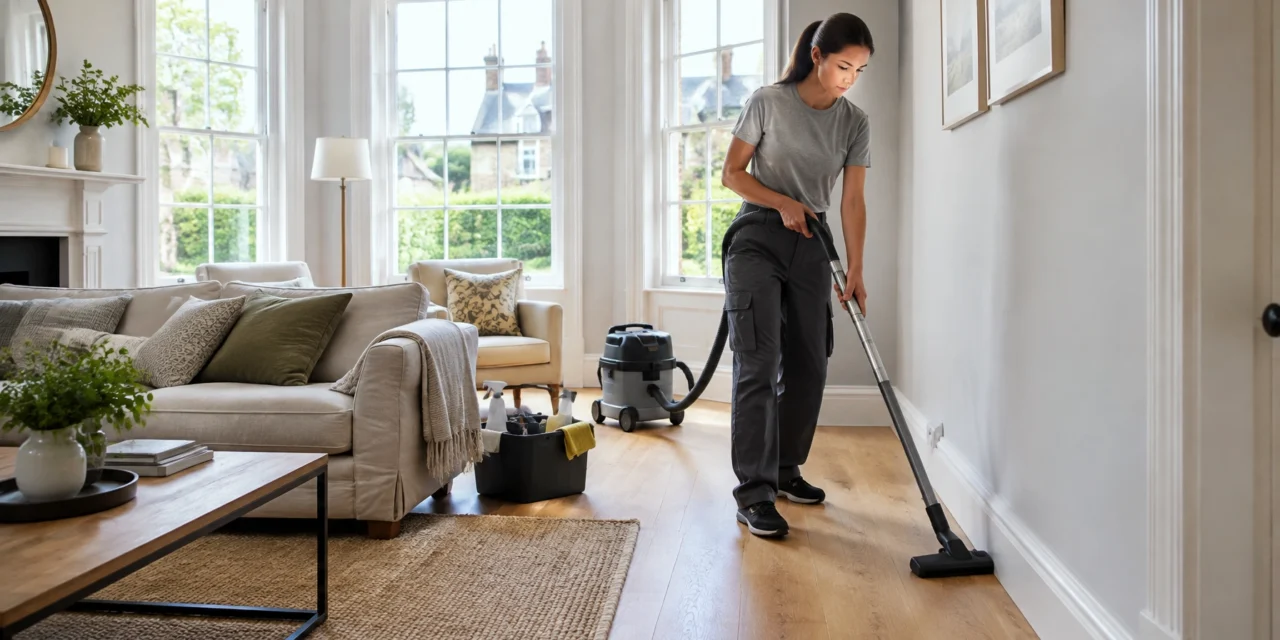
- Vacuuming floors and soft furnishings where appropriate.
- Damp-wiping suitable surfaces with clean cloths, changed regularly.
- Cleaning switches and sockets carefully, without applying liquid directly to electrical fittings.
Kitchen
Fine dust can collect on cabinet tops, shelves, drawer fronts and appliance surfaces, even if the kitchen was not the main work area. A detailed clean may include accessible cupboard interiors, worktops, splashbacks, sink and taps, plus cabinet fronts and plinths.
Protective film and adhesive residue may also need attention. New worktops, lacquered cabinets and stainless steel can be sensitive to abrasive pads and unsuitable chemicals, so the cleaning method should match the surface.

Bathroom and en-suite
Bathrooms can be left with dust on tiles, mirrors, fittings and extractor grilles. A post-build clean may include sanitaryware, taps, shower screens, accessible grout and tile surfaces.
Grout haze, paint and silicone marks need particular care. Cleaning products that are safe for one tile type may damage another, especially natural stone or some metal finishes. Fresh silicone and other new finishes should be left undisturbed until they have cured according to the product guidance.
Bedrooms and living areas
Dust can settle on wardrobes, shelves, radiators, window sills, frames and the tops of skirting boards. These areas may need careful vacuuming and wiping, alongside accessible light fittings and built-in storage.
Freshly painted walls and woodwork should be treated gently. Aggressive scrubbing can leave shiny patches or remove paint, so it is often better to follow the decorator’s advice on when and how those finishes can be cleaned.
Windows, vents and floors
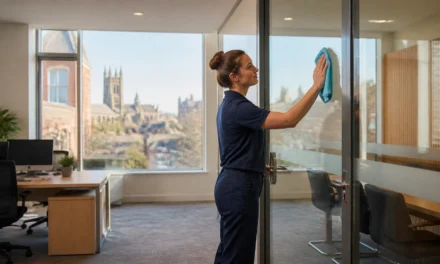
Window cleaning after renovation is more than wiping the glass. Tracks, frames, sills and reveals may hold dust, labels or residue. Any paint or adhesive should be removed with a method suitable for the glass and its coating.
Sawdust or plaster dust can collect around ventilation grilles. Accessible grille faces can be cleaned, but dust inside ductwork may need specialist attention. If a heating or ventilation system has been exposed to heavy dust, ask the installer or a ventilation professional what should be checked before using it.
Floors are generally cleaned last. A suitable vacuum and floor-safe cleaning method help remove remaining dust without scratching or soaking new flooring. Always follow the flooring manufacturer’s care instructions.

When should you book the clean?
Book once the trades have finished the dusty work, including sanding, cutting, plastering and decorating. If the builders still need to return for snagging or repairs, ask when that work will happen before arranging the final clean. Otherwise, fresh dust and marks could undo some of the cleaning.
It is also sensible to check that new paint, grout, floor finishes and silicone have had enough time to cure before they are cleaned. The correct waiting time depends on the product, so ask your decorator or installer if you are unsure.
For a smoother finish:
- Ask the builder to remove leftover materials and building waste.
- Confirm that dusty trades and snagging work are complete.
- Tell your cleaner about new or delicate surfaces.
- Arrange the clean before furniture and belongings are moved back in, if possible.
- Plan for a light touch-up if further work or lots of movement happens afterwards.
Cleaning an empty property can make floors, corners, cupboards and windows easier to reach. If the project has produced a lot of dust, ask whether the clean should be staged or whether a return visit may be useful.
A practical option for landlords and estate agents
A thorough clean can help prepare a property for photographs, viewings or incoming tenants after refurbishment. For landlords and estate agents arranging a turnaround in Bury St Edmunds or elsewhere in Suffolk, it is worth coordinating the clean with contractors, inspections and the handover date.
Share details of the work completed and any surfaces that need special care. This helps the cleaning team understand what has changed and what may require a product-specific approach.
Local help with your post-renovation clean
If you’re looking for deep cleaning in Bury St Edmunds, an after-builders clean is a useful one-off option after renovations or decorating. Our local cleaning services in Bury St Edmunds support homeowners and landlords who need help getting a property ready to use again. Whether you’re comparing house cleaning in Bury St Edmunds, looking for domestic cleaners in Bury St Edmunds, or need professional cleaners in Suffolk, let us know what work has been done and which areas need attention.
Contact us to book a one-off clean and discuss a suitable time after the trades have finished and before your furniture returns.