Moving out of a rented property in Bury St Edmunds or elsewhere in Suffolk can be stressful. There are boxes to pack, meters to read, keys to return and a final inspection to prepare for. Cleaning is one of the areas most likely to affect your tenancy deposit, especially if the property is not left to the same standard as when you moved in.
A tenancy check out clean is more than a quick vacuum and wipe around. Estate agents, landlords and inventory clerks often inspect every room, cupboard, appliance and fitting. The good news is that careful planning can make the process much easier.
This guide explains what they look for, how check out cleaning differs from end of tenancy cleaning, and how professional cleaners in Suffolk can help tenants prepare.
What is tenancy check out cleaning?
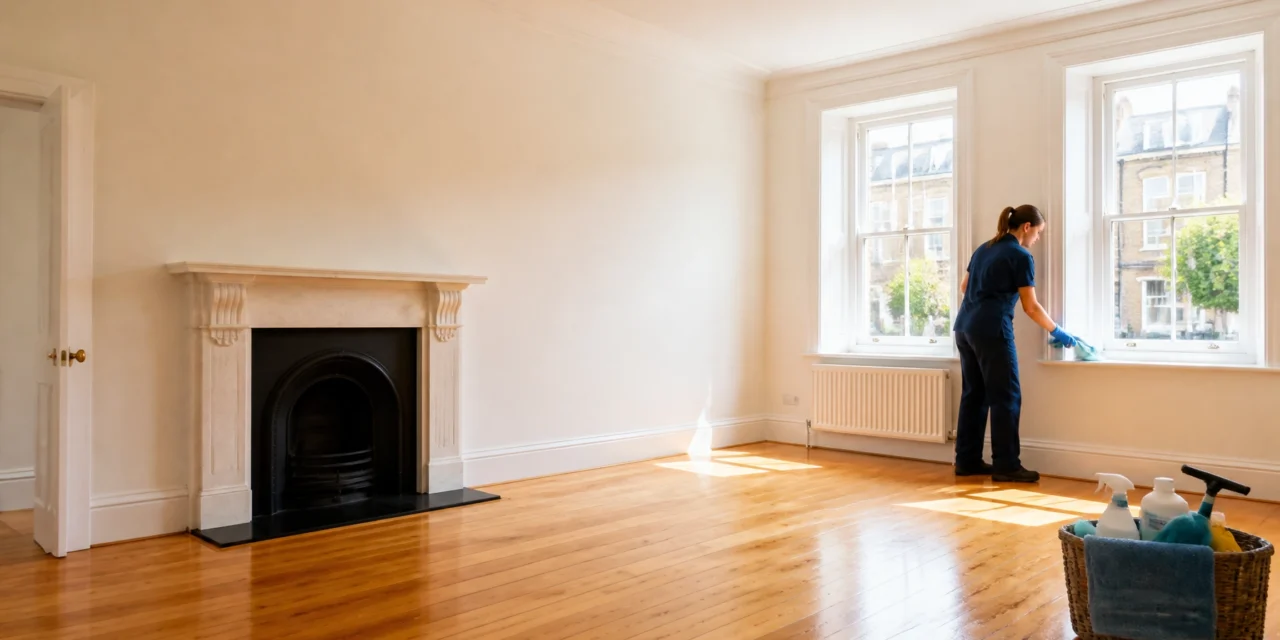
Tenancy check out cleaning is the cleaning carried out before you leave a rented property and hand back the keys. Its purpose is to return the home to the standard recorded at the start of the tenancy.
This usually means comparing the property with:
- The check-in inventory
- Inventory photographs
- The tenancy agreement
- Any check-in notes about cleanliness or condition
The starting condition is important. You are generally expected to leave the property as clean as it was when you moved in, allowing for normal wear and tear. You should not normally be expected to make the property cleaner or newer than it was at the beginning.
The UK Government’s Tenant Fees Act guidance explains that landlords and agents cannot require tenants to pay for a professional clean as a separate fee. However, they may seek a reasonable deduction from the deposit if the property is left less clean than it was at check-in.
Check out cleaning vs end of tenancy cleaning
The terms are often used interchangeably, but there can be a small difference in emphasis.
End of tenancy cleaning is a full, detailed clean completed when a tenancy ends. It can include kitchens, bathrooms, bedrooms, living spaces, appliances, floors, internal windows and storage areas.
Tenancy check out cleaning focuses specifically on preparing the property for the final inspection. The cleaner works with the check-out process in mind, paying close attention to the areas an inventory clerk or estate agent is likely to check.
In practice, a thorough end of tenancy clean is usually the best way to prepare for a check out inspection. It is particularly useful when the property has been occupied for a long time, when there are pets, or when the oven, bathroom or carpets need extra attention.
What do estate agents and landlords check?
Every property and inventory is different, but most final inspections cover similar areas.
General areas throughout the property
Inspectors may look at:
- Skirting boards, door frames and window sills
- Light switches, sockets and handles
- Doors, bannisters and visible paintwork
- Ceilings, corners and light fittings for cobwebs
- Inside and outside of cupboards
- Wardrobes, shelves and storage areas
- Internal windows, frames and sills
- Carpets, rugs and hard floors
- Dust behind and underneath accessible furniture
- Rubbish, recycling and unwanted items
- Unpleasant smells caused by smoking, pets, food or damp
It is easy to miss high-level surfaces and hidden edges when cleaning quickly. These are often the areas that make a property appear unfinished.
The kitchen
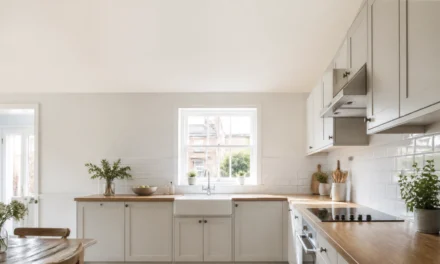
The kitchen is usually one of the most closely inspected rooms. Grease, food residue and limescale can build up over time, even when the kitchen has been cleaned regularly.
Pay attention to:
- Oven interior, racks, trays and glass door
- Hob, burners, control knobs and splashback
- Extractor hood and filters
- Worktops and the area behind appliances
- Cupboard doors, handles and drawer fronts
- Inside cupboards and drawers
- Fridge and freezer, including seals and shelves
- Dishwasher filter and door seals
- Washing machine drum, drawer and rubber seal
- Sink, taps and draining area
- Floor edges and the area beneath accessible appliances

The oven is a common source of cleaning-related deposit disputes. If it was clean at check-in, leaving it with burnt-on food or heavy grease could lead to a claim for reasonable cleaning costs.
The bathroom
Bathrooms are another area where small amounts of build-up can become obvious during a final inspection.
Check:
- Bath, basin and shower tray
- Toilet bowl, seat, base and surrounding floor
- Shower screen, doors and seals
- Taps and shower fittings
- Tiles and grout
- Extractor fan cover
- Mirrors and glass
- Vanity units and storage
- Skirting boards and corners
- Floors, especially behind the toilet and around the bath
Limescale is particularly noticeable on taps, shower screens and tiles. Mould should be treated carefully. Some mould or damp problems may relate to the building or ventilation and may be the landlord’s responsibility, rather than a cleaning issue. If you are unsure, photograph the area and report it to the landlord or agent.

Living rooms and bedrooms
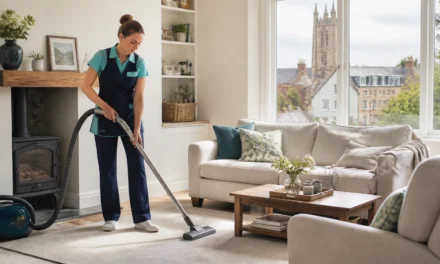
For bedrooms and living areas, agents usually expect a clean, empty and orderly finish.
Your checklist should include:
- Dusting shelves, picture rails, radiators and skirting boards
- Cleaning inside wardrobes and drawers
- Wiping doors, handles and light switches
- Cleaning internal window glass, frames and sills
- Vacuuming carpets thoroughly, including edges
- Mopping hard floors without leaving streaks
- Removing cobwebs
- Dusting light fittings
- Cleaning any landlord-provided furniture
- Removing all personal belongings and rubbish
If carpets have heavy staining, a standard vacuum may not be enough. Professional carpet cleaning may be worth considering, particularly where marks were not present at check-in.
Common reasons for deposit deductions
Cleaning-related deductions often result from a few repeat problem areas:
- Greasy ovens, hobs or extractor fans
- Food residue inside cupboards and drawers
- A fridge or freezer left dirty, full or smelling
- Limescale on bathroom fittings and shower screens
- Mould or soap residue around baths and showers
- Dusty skirting boards, doors and window frames
- Dirty internal windows and sills
- Stained carpets or upholstery
- Rubbish left inside the property or garden
- Pet hair or strong smoke and food odours
Landlords should not charge for fair wear and tear, such as naturally faded paint or light carpet wear from normal use. They also should not charge to correct problems that were already recorded at check-in.
If a deduction is proposed, you can ask for an itemised explanation and supporting evidence. Shelter’s guidance on cleaning, gardening and decorating deductions explains how check-in and check-out evidence is used.
A practical check out cleaning checklist
Start by checking your original inventory. Then work through the property systematically.
Before cleaning
- Remove all furniture and personal belongings where possible
- Empty bins and remove rubbish
- Defrost the freezer if required
- Check whether the tenancy agreement mentions gardens, windows or appliances
- Take photographs of any pre-existing marks or damage
- Make a list of repairs or issues already reported
During cleaning
- Work from top to bottom so dust does not fall onto clean surfaces
- Clean one room fully before moving to the next
- Leave floors until the end
- Use suitable products for glass, stainless steel, tiles and wood
- Allow time for oven grease and limescale to soften
- Check inside cupboards, drawers and appliances
- Look at the property in daylight as well as artificial light
Before handing back the keys
- Take dated photographs of every room
- Photograph the inside of the oven, fridge, cupboards and wardrobes
- Record final meter readings
- Check that all keys, fobs and remotes are ready to return
- Remove remaining rubbish from outside areas
- Make sure the property is dry, aired and free from strong smells
How professional cleaners in Suffolk can help
A professional local cleaning team can be helpful when you have limited time or when the property needs a more detailed clean than a normal weekly routine.
A team providing cleaning services in Bury St Edmunds can help by:
- Following a room-by-room tenancy checklist
- Focusing on inventory inspection points
- Cleaning appliances and hard-to-reach areas
- Removing built-up grease and limescale
- Working around your moving schedule
- Providing a one-off clean after the property is empty
- Helping with move out cleaning in Bury St Edmunds and nearby Suffolk areas
Professional cleaners cannot guarantee that a landlord will return your deposit, because the final decision also depends on damage, inventory records and the terms of your tenancy. However, a detailed clean can reduce avoidable cleaning issues and give you useful photographic evidence of the property’s condition.

For tenants, the most important point is simple: aim to match the check-in standard, not an imagined “better than new” standard. For estate agents and landlords, a clear inventory and consistent check out process help make any cleaning concerns fair and evidence-based.
If you are moving out of a rental home in Bury St Edmunds, Great Barton, Thurston, Mildenhall, Newmarket or the surrounding Suffolk area, planning your tenancy check out cleaning early can make the final stage of your move far less stressful. A professional end of tenancy cleaning service can take care of the detailed work while you focus on handing over the property and starting your next chapter.