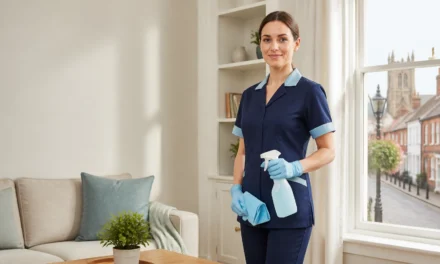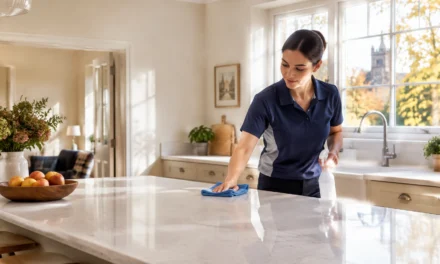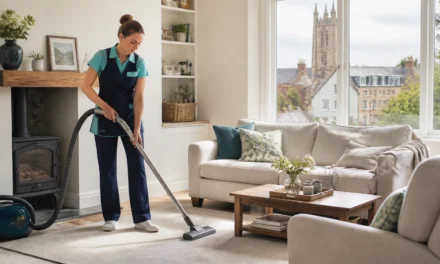
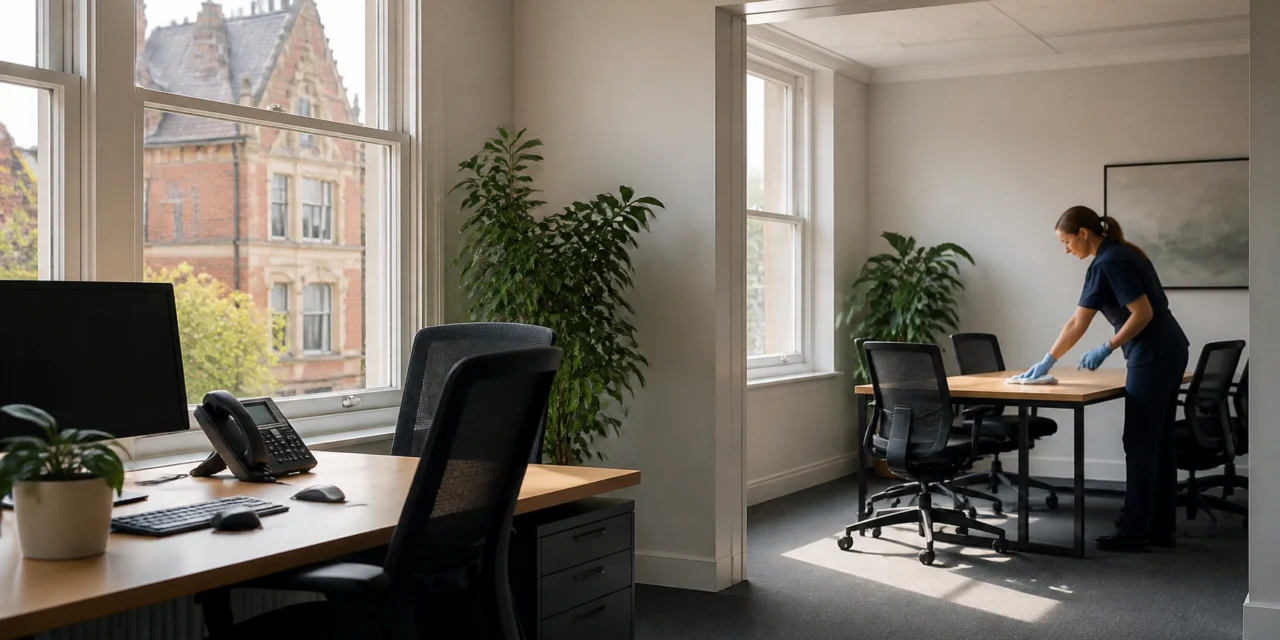
A clean office creates the right impression, supports your team and helps your business run smoothly. Whether you manage a small office in the town centre, a growing business on the outskirts of Bury St Edmunds or a larger commercial premises elsewhere in Suffolk, a reliable cleaning routine is essential.
Professional office cleaning in Bury St Edmunds is about more than emptying bins and vacuuming floors. It includes planned hygiene, careful attention to shared areas and a cleaning schedule that fits around your working day. The right commercial cleaning in Bury St Edmunds can help you maintain a workplace that feels welcoming, safe and ready for business.
Why a professionally cleaned office matters
1. It creates a positive first impression
Your office says a great deal about your business. Clients, customers, suppliers and potential employees notice whether the reception area is tidy, the floors are clean and the washrooms are properly maintained.
A clean, well-presented workplace can help communicate:
- Professionalism and attention to detail
- Respect for clients and visitors
- Pride in your business premises
- Good organisation and dependable standards
This is particularly important for businesses that welcome clients into their offices. A dusty reception desk, overflowing bin or marked meeting-room carpet can undermine an otherwise excellent service.
Regular professional cleaning helps ensure that the areas visitors see most often are consistently presentable.
2. It supports staff wellbeing
Employees spend a large part of their day at work. Clean desks, fresh communal areas and hygienic washrooms make the working environment more comfortable for everyone.
Dust, waste, food residue and poorly maintained facilities can create unpleasant smells and contribute to an office feeling neglected. By contrast, a clean workplace can support staff morale and help people feel valued.
Cleaning does not replace good ventilation, suitable heating or safe working practices, but it is an important part of a healthy workplace. The Health and Safety Executive’s workplace guidance explains that workplaces, furniture and fittings should be kept sufficiently clean and well maintained.
3. It helps maintain workplace hygiene
Offices contain many shared touchpoints that are used throughout the day. These may include:
- Door handles and push plates
- Light switches
- Stair rails and bannisters
- Kitchen taps and appliance handles
- Shared phones and office equipment
- Meeting-room tables
- Photocopiers and printer controls
These areas need regular attention, particularly during colder months or when illness is spreading locally. Cleaning and sanitising high-touch surfaces as part of a planned routine can help reduce the build-up of dirt and contaminants.
Washrooms and kitchens also require consistent care. Toilets should be clean, stocked and presentable, while staff kitchens need regular cleaning of worktops, sinks, cupboard fronts and appliances.

Regular office cleaning and periodic deep cleans
A good office cleaning plan normally combines routine cleaning with periodic deep cleaning. These services have different purposes.
Regular office cleaning
Regular cleaning keeps your premises under control day by day or week by week. Depending on the size and use of your office, this may take place daily, several times a week or weekly.
Routine office cleaning may include:
- Vacuuming carpets and flooring
- Sweeping and mopping hard floors
- Emptying bins and replacing liners
- Dusting accessible surfaces
- Cleaning desks and tables
- Wiping high-touch points
- Cleaning kitchens and staff areas
- Cleaning toilets and washrooms
- Refreshing reception areas and meeting rooms
- Removing visible marks and small spillages
The frequency should reflect how your office is used. A busy office with several shared areas may need cleaning every day. A smaller premises with fewer employees may need fewer visits, supported by a more detailed weekly service.
Periodic deep cleaning
Deep cleaning is more intensive and focuses on areas that are not covered fully during routine visits. It may be arranged monthly, quarterly, annually or as a one-off service.
A commercial deep clean could include:
- Cleaning skirting boards and internal doors
- Dusting high-level surfaces
- Cleaning behind and underneath furniture
- Detailed kitchen degreasing and descaling
- Cleaning difficult-to-reach areas
- Intensive washroom cleaning
- Carpet and upholstery cleaning
- Cleaning meeting rooms and shared equipment
- Removing built-up marks from floors and surfaces
Deep cleaning can be especially useful after an office move, refurbishment or redecoration. It can also provide a seasonal reset before an important period of trading or following an unusually busy time.
For minimal disruption, deep cleans can often be scheduled during evenings, early mornings or weekends.
What does a typical office cleaning service include?
Every workplace is different, so the cleaning plan should be based on the size, layout and daily use of your premises. A typical service may include the following areas.
Workstations and offices
Desks, tables and accessible surfaces can be dusted and wiped as agreed. Care is needed around computers, monitors, telephones and other equipment. A professional cleaner should follow suitable methods and avoid applying products directly to electrical equipment unless it is designed for that purpose.
Where employees use fixed desks, you may also wish to agree how personal items and paperwork are handled. Clear instructions help prevent accidental disruption.
Reception areas and meeting rooms
These are often the first parts of your business that visitors see. Cleaning may include:
- Vacuuming and floor care
- Dusting furniture
- Wiping tables and touchpoints
- Cleaning glass and visible surfaces
- Emptying bins
- Removing fingerprints from doors where appropriate
Keeping meeting rooms ready for use is helpful for both visitors and staff.
Kitchens and break areas
Office kitchens can quickly become untidy without a clear cleaning routine. A service may cover:
- Worktops and splashbacks
- Sinks and taps
- Cupboard fronts
- Microwave exteriors and interiors, where agreed
- Fridge exteriors
- Tables and chairs
- Floor cleaning
- Bin emptying and odour control
Businesses should agree whether the cleaner is responsible for washing up, cleaning inside fridges or disposing of out-of-date food, as these tasks are not always included as standard.
Toilets and washrooms
Washrooms need careful and consistent cleaning. Typical tasks include cleaning toilets, basins, taps, mirrors, floors and high-touch points.
Consumables such as toilet tissue, hand soap and paper towels can also be monitored and replenished if this is included in the service. The HSE’s workplace facilities guidance provides information on suitable toilet, washing and welfare facilities.
Floors, carpets and shared spaces
Floors receive heavy use and can affect the overall appearance of your premises. Regular vacuuming and mopping help remove everyday dirt, while periodic carpet cleaning can address deeper marks and trapped debris.

How often should an office be cleaned?
There is no single schedule that suits every business. The right frequency depends on:
- Number of employees
- Number of visitors
- Size of the premises
- Number of washrooms and kitchen areas
- Type of business
- Amount of foot traffic
- Whether staff eat at their desks
- Presence of shared equipment
- Opening hours and preferred cleaning times
Many offices benefit from cleaning several times a week, while high-traffic workplaces may need daily attention. A site visit can help identify priorities and create a realistic cleaning specification.
It is also worth separating essential tasks from lower-frequency tasks. For example, toilets, kitchens, bins and high-touch areas may need attention at every visit, while internal windows, high surfaces and carpet cleaning may be scheduled periodically.
Choosing a reliable office cleaner in Suffolk
Price is important, but it should not be the only factor when comparing cleaning companies. A dependable local provider should offer clear communication, consistent standards and a service that suits your business.
Before agreeing to a contract, ask the following questions.
Do they understand your type of workplace?
An office, retail unit, warehouse and medical premises all have different requirements. Explain how your space is used, where visitors enter, which areas are shared and whether there are any sensitive rooms or equipment.
Is the cleaning schedule clearly explained?
A written specification should set out:
- Areas to be cleaned
- Tasks included at each visit
- Visit frequency
- Deep-clean tasks
- Cleaning times
- Supply of products and equipment
- Waste-handling arrangements
- Process for reporting issues
A clear specification makes it easier for both sides to understand what good service looks like.
Can they work around your business?
Cleaning during working hours is not always practical. Ask whether the company can provide early morning, evening or weekend visits. Out-of-hours cleaning can reduce disruption and allow the office to be ready when staff arrive.
Are staff trained and properly managed?
Ask how cleaners are recruited, trained and supervised. You may also want to check whether the company carries suitable insurance and carries out regular quality checks.
Cleaning products should be used safely and stored appropriately. The HSE provides guidance on COSHH and cleaning substances, including safe handling, storage and the use of protective equipment where necessary.
Is there a local point of contact?
Working with a local cleaning company in Bury St Edmunds or the surrounding Suffolk area can make communication easier. A local team may be better placed to respond to changes, additional requests or occasional one-off cleaning needs.
Ask how problems are reported and how quickly concerns are addressed. Consistent communication is particularly important for commercial contracts.
A practical office cleaning checklist
Use this checklist when reviewing your current arrangements:
- Are bins emptied often enough?
- Are toilets cleaned and restocked consistently?
- Are kitchen worktops, sinks and appliance handles cleaned?
- Are meeting rooms ready for use?
- Are door handles and other touchpoints included?
- Are carpets and hard floors receiving suitable care?
- Are spillages dealt with promptly?
- Are periodic deep cleans scheduled?
- Can the cleaner work outside normal office hours?
- Do you have a clear written cleaning specification?
- Is there a named person to contact if standards fall short?
Local office cleaning for Bury St Edmunds businesses
A clean workplace should be dependable rather than something you have to think about every day. At Cleaning, we provide cleaning services for businesses in Bury St Edmunds and surrounding Suffolk areas, including regular commercial contracts, office cleaning and one-off deep cleans.
We can work with business owners and office managers to understand the premises, identify priorities and create a practical cleaning plan around your working hours.
If your current office cleaning service is inconsistent, or you are arranging cleaning for a new premises, request a conversation about your requirements and receive a straightforward quotation.