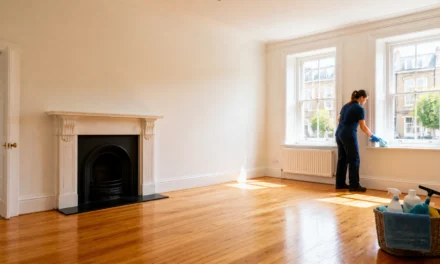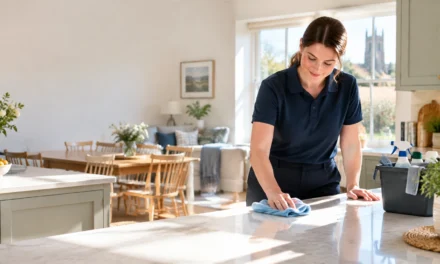
Moving out is about more than packing boxes and handing back the keys. At the final inspection, a letting agent will usually compare the property with its check-in inventory and look for changes in its cleanliness and condition. Knowing what they check can help you focus your efforts, and reduce the risk of an avoidable deposit dispute.
For tenants looking for tenancy check out cleaning in Suffolk, the key thing to understand is that there is no single checklist that every agent follows. The original inventory, your tenancy agreement and the property’s condition when you moved in all matter. In general, the expectation is to return the home at the same standard of cleanliness as at the start, allowing for fair wear and tear.
The check-out inspection: a comparison, not a fresh start
An agent should compare the check-out condition with the check-in report. If the report recorded the oven as clean, for example, they may look for grease or burnt-on food left behind. If it noted marks or dust at the start, that should also be taken into account.
The Tenancy Deposit Scheme’s guide to inventories and check-out reports explains why detailed, comparable reports are important when assessing the property’s condition. Keep your own copy of the check-in inventory and raise any inaccuracies with the agent in writing.
The kitchen: appliances and hidden grime
Kitchens often receive close attention because grease, food residue and crumbs can collect in places that are easy to miss. An agent may check:
- The oven, hob and extractor, including visible grease and food residue
- The fridge and freezer, which should generally be emptied and wiped if included in your tenancy responsibilities
- The microwave, dishwasher and washing machine, if supplied
- Worktops, cupboard fronts, drawers and splashbacks
- The sink, taps and plugholes
- Floors, including edges and the area around appliances where accessible
If you are cleaning the oven yourself, check the trays and racks as well as the inside surfaces. Remember to leave appliances safe to use and follow the manufacturer’s cleaning advice.
Bathrooms: look out for limescale and residue
Bathrooms can show a build-up of limescale, soap scum and water marks, particularly around taps, shower screens and fittings. Agents may look at the toilet, basin, bath or shower, tiles, mirrors and accessible surfaces.
Pay attention to the areas around taps and plugholes, as well as shower screens and the edges of the bath. A clean bathroom should not be confused with a brand-new one: worn grout or an old fitting may reflect age or previous condition, rather than a cleaning issue.

Dust, skirting boards, windows and floors
A final inspection may include more than the obvious surfaces. Dust and cobwebs on skirting boards, door frames, radiators and accessible fittings can stand out in an otherwise clean room. Agents may also look at window sills and accessible frames, especially if these were clean at check-in.
Floors are assessed according to their type and recorded condition. Hard floors may need sweeping and mopping, while carpets should be left free of fresh stains and obvious debris. If a carpet was already worn or marked at the beginning of the tenancy, make sure this is recorded in the original inventory.

Walls, scuffs and fair wear and tear
Not every mark is a cleaning problem. A small amount of deterioration from ordinary use may count as fair wear and tear, depending on factors such as the length of the tenancy and the age and original condition of the decoration or furnishings.
Fresh stains, marks caused by avoidable damage or a wall left noticeably dirtier than recorded at check-in are different. Avoid trying to scrub walls without checking the finish first, as this can cause more damage. If you are unsure whether a mark is dirt or damage, photograph it and ask the agent how they want it handled.
Furnished rentals: check the items as well as the rooms
In a furnished property, the check-out may cover the condition and cleanliness of items listed in the inventory. These could include sofas, chairs, mattresses, curtains, lamps and kitchen equipment.
Check for crumbs, dust, pet hair or stains, and make sure items are left where they were at check-in unless the agent has agreed otherwise. Report any damage or problems you have already raised during the tenancy, and keep a record of that correspondence.

Common reasons tenants face deposit deductions
Cleaning-related deductions are more likely when the check-out report shows a clear difference from the check-in record, for example, an oven left greasy when it was recorded as clean, or bathroom limescale that was not present at the start.
Other common issues include rubbish or belongings left behind, missing keys or inventory items, and fresh damage. But an agent should not assume the property was clean at check-in if the inventory does not record its cleanliness. Nor should ordinary wear and tear automatically be treated as damage.
The government’s guidance on tenancy deposit protection explains the deposit scheme rules. If you disagree with a proposed deduction, ask the landlord or agent for a clear explanation and supporting evidence. Citizens Advice also recommends keeping useful records, such as your inventory, photographs and communications about repairs.
Does a professional clean have to be booked?
Not necessarily. Government Tenant Fees Act guidance says a landlord or agent cannot require you to pay for a professional clean or insist that you use a particular cleaning company. You can clean the property yourself, provided the result meets the standard required by your tenancy and supported by the check-in evidence.
A professional clean can still be a practical choice if you are short on time, have a busy move, or want help with areas such as the oven and bathroom. It does not automatically guarantee that there will be no dispute: the result still needs to match the property’s recorded starting standard.
How a check-out clean can help prevent disputes
A thorough clean gives you a better chance of handing the property back in a condition you can confidently document. Before you leave:
- Check the inventory room by room and note any existing marks or issues.
- Remove your belongings and rubbish, and clean the areas identified in the report.
- Take clear, dated photographs once the property is empty and clean.
- Keep any cleaning receipts and messages with your landlord or agent.
- Ask for a copy of the check-out report and respond promptly if you disagree with it.
For tenants searching for end of tenancy cleaning in Bury St Edmunds or move out cleaning in Bury St Edmunds, Cleaning provides tenancy check-out and deep-clean services in Bury St Edmunds and surrounding Suffolk areas. We can help tackle the detail agents commonly notice, from kitchen appliances and bathroom limescale to skirting boards and floors. Our professional cleaners in Suffolk aim to make the handover simpler, with cleaning support tailored to the property and its check-in condition.
Whether you clean it yourself or book cleaning services in Bury St Edmunds, start with the inventory, focus on the areas that need attention, and keep a record of the property as you leave it. That gives you a clear, practical basis for a smoother check-out.