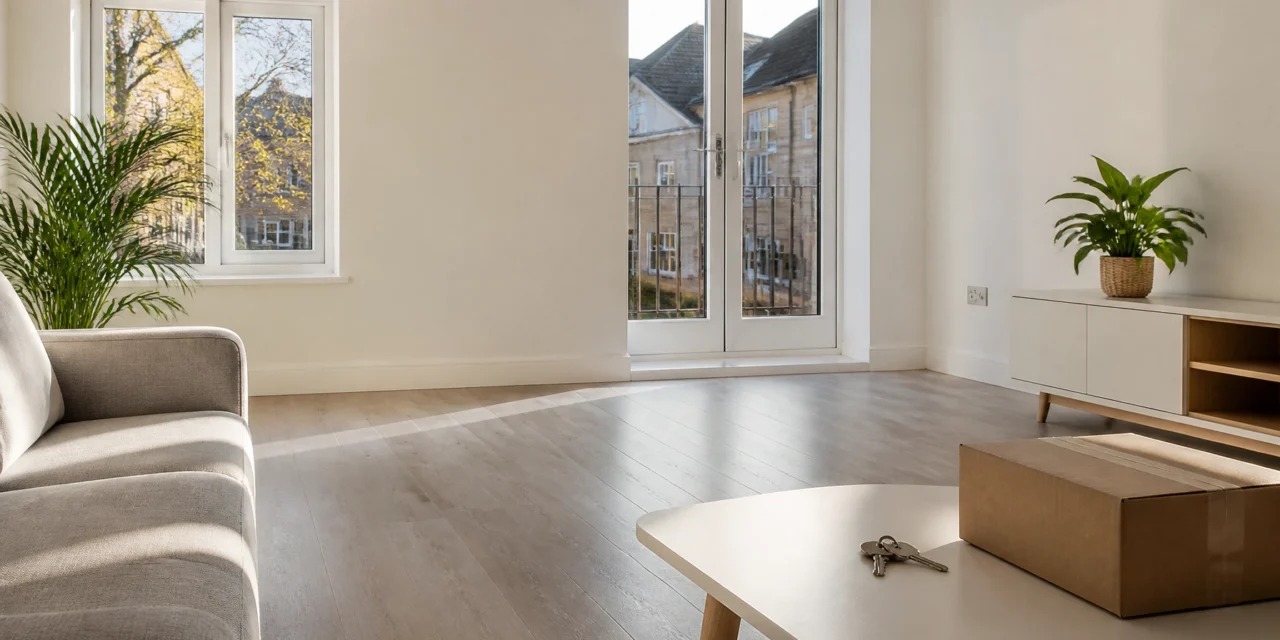
Moving out of a rented property can be stressful. There are boxes to pack, keys to return and paperwork to complete. The last thing you want is a dispute over cleaning or an unexpected deduction from your tenancy deposit.
A thorough end of tenancy clean can make the final stage of your move much easier. Whether you are leaving a flat in Bury St Edmunds, a family home elsewhere in Suffolk or a rented property in the surrounding area, the aim is simple: leave the property in the same standard of cleanliness as when you moved in.
In this guide, we explain what landlords and letting agents usually look for, which areas need the most attention and why professional end of tenancy cleaning in Bury St Edmunds could be a worthwhile investment.
What does end of tenancy cleaning involve?
End of tenancy cleaning is more detailed than an ordinary weekly or fortnightly clean. The property is usually empty, allowing cleaners to reach areas that may have been missed during the tenancy.
A full move-out clean can include:
- Kitchens, cupboards, appliances and worktops
- Ovens, hobs, extractor fans and microwave ovens
- Bathrooms, toilets, showers and tiles
- Internal windows, frames and windowsills
- Skirting boards, doors, handles and light switches
- Wardrobes, cupboards and storage areas
- Floors, carpets and hard flooring
- Cobweb removal and general dusting
- Removal of rubbish and leftover items
The exact work required depends on the condition of the property, your tenancy agreement and the check-in inventory.
Start with your tenancy agreement and inventory
Before cleaning, read your tenancy agreement carefully. Look for information about:
- The expected standard of cleanliness
- Carpets and flooring
- Oven and appliance cleaning
- Windows
- Gardens, patios or outdoor areas
- Any specialist items provided with the property
You should also compare the check-in inventory with the property as it looks now. In England, tenants are generally expected to return a rental property to the same standard of cleanliness as at the beginning of the tenancy, allowing for fair wear and tear.
This does not usually mean the property must be cleaner than it was when you moved in. For example, a landlord should not charge you to upgrade an already average standard to a luxury professional standard. However, if the oven, bathroom or carpets were clean at check-in and are left dirty at check-out, reasonable cleaning costs may be claimed.
For further information, see the Shelter guidance on tenancy deposit deductions.
The kitchen is often the biggest priority
The kitchen is one of the first areas a landlord or letting agent will inspect. Grease, food residue and built-up dirt can quickly become noticeable, particularly in an empty property with good lighting.

Use this kitchen checklist before handing back the keys:
Oven and hob
Clean the oven interior, racks, trays, door glass and seals. Pay attention to baked-on grease around the hob, control knobs and splashback.
Extractor fans and filters can also collect a considerable amount of grease. If the filters are washable, clean them according to the manufacturer’s instructions.
Cupboards and drawers
Empty every cupboard and drawer. Vacuum out crumbs and wipe the inside, outside, handles and tops where accessible.
Do not forget the space beneath the sink, where spills, dust and cleaning products can often be left behind.
Fridge and freezer
Defrost the freezer if necessary, remove all food and clean the shelves, drawers, seals and interior walls. Leave the appliance clean and dry, with the door slightly open if it is being switched off.
Sink and worktops
Remove limescale from taps and around the sink. Degrease worktops and clean splashbacks, tiles and grout. Finish by checking for water marks and fingerprints on shiny surfaces.
Give bathrooms extra attention
Bathrooms are another area where small cleaning issues can be easy to spot. Limescale, soap marks, mould and water stains can make a property appear poorly maintained even when the rest of the home is tidy.

For a thorough bathroom clean, remember to:
- Descale taps, shower heads and other fittings
- Clean the bath, shower tray and screen
- Remove soap residue from tiles
- Clean grout carefully
- Wash mirrors and polish chrome
- Clean the toilet inside, outside and underneath the rim
- Wipe towel rails, radiators and accessible pipework
- Mop the floor, including behind and around the toilet
- Check corners and ceiling areas for cobwebs
Some mould or damp issues may be caused by ventilation, leaks or problems with the property rather than cleaning. Tenants should report maintenance concerns to the landlord or agent rather than trying to treat a structural issue themselves.
Do not overlook the rest of the property
Once the kitchen and bathroom are clean, work through every room methodically. A room-by-room approach reduces the chance of missing details.
Living rooms and bedrooms
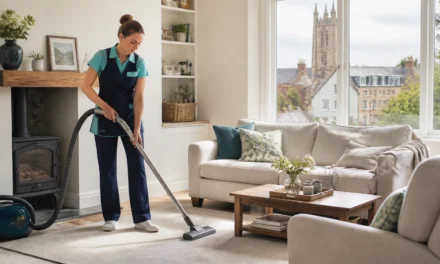
Dust reachable surfaces, shelves, wardrobes, skirting boards, picture frames, doors and handles. Vacuum carpets thoroughly, including edges and areas beneath furniture where it is safe to move items.
Check cupboards and wardrobes for forgotten belongings. Remove personal items, rubbish and packaging before the final photographs are taken.
Floors and carpets
Vacuum carpets slowly, paying attention to corners and high-traffic areas. Hard floors should be vacuumed or swept before being mopped with a suitable product.
Remember that normal carpet wear may be classed as fair wear and tear. However, stains, pet hair, food debris or strong odours may be treated as cleaning issues if they were not present at the start of the tenancy.
Windows and glass
Clean internal glass, frames and windowsills where this is included in your agreement or inventory. Remove fingerprints and marks from internal doors, mirrors and glass panels.
External windows may require specialist access, so check what was included at check-in and what your landlord or agent expects.
Take photographs after cleaning
Photographs can be valuable evidence if there is a disagreement about the property’s condition. Take clear, dated images after all belongings have been removed and the cleaning is complete.
Try to photograph:
- Each room from a wide angle
- The inside of the oven
- Fridge and freezer interiors
- Cupboards and drawers
- Bathroom fittings and shower screens
- Floors and carpets
- Windows and windowsills
- Any areas that were mentioned in the inventory
A short video walkthrough can also be useful. Keep your cleaning receipt, booking confirmation and any communication with the landlord or estate agent.

DIY cleaning or professional end of tenancy cleaning?
Some tenants choose to clean the property themselves. This can work well if you have enough time, the right equipment and the confidence to achieve a detailed standard.
Professional cleaning may be more suitable when:
- You are moving directly into another property
- The tenancy ends at short notice
- The property has not been cleaned regularly
- You need oven, carpet or upholstery cleaning
- You are managing a larger house
- You want help meeting a letting agent’s checklist
- You need a receipt for your records
A professional move out cleaning service in Bury St Edmunds can save time and provide a more structured approach. Experienced cleaners know which areas are commonly missed, from extractor filters and skirting boards to cupboard tops and bathroom fittings.
At Cleaning, we provide practical cleaning support for tenants, landlords, estate agents and private clients across Bury St Edmunds and surrounding Suffolk areas. Our services can be arranged for one-off cleans, tenancy check-outs, deep cleans and regular domestic or commercial requirements.
What landlords and estate agents usually look for
A property may look tidy at first glance but still need detailed cleaning before check-out. Landlords and agents commonly check:
- The oven and kitchen appliances – grease, crumbs and residue are easy to identify.
- Bathrooms – limescale, soap marks, mould and water stains receive close attention.
- Floors and carpets – dust, hair, stains and odours can affect the check-out report.
- Cupboards and storage – empty spaces should be clean and free from debris.
- Windows and sills – fingerprints, marks and cobwebs may be noted.
- Bins and rubbish – all waste should be removed from inside and outside areas.
- Odours – smoke, pets, cooking and damp smells may need to be addressed.
- The inventory standard – the final condition is usually compared with the check-in report.
A clean property also helps landlords prepare quickly for the next tenant. For estate agents, a reliable tenancy check-out cleaning service in Suffolk can make handovers more efficient and reduce delays between tenancies.
What if a deduction is proposed?
Most tenancy deposits in England must be protected in a government-backed scheme. If the landlord and tenant agree on the amount to be returned, the deposit should generally be returned within 10 days.
If you disagree with a proposed cleaning deduction, ask for:
- A clear breakdown of the amount claimed
- Check-in and check-out reports
- Dated photographs
- Cleaning invoices or reasonable quotations
- An explanation of how the amount was calculated
If the issue cannot be resolved directly, you may be able to use the free dispute service provided by your deposit protection scheme. The GOV.UK tenancy deposit guidance explains how deposits should be protected, while GOV.UK dispute guidance explains what to do when there is a disagreement.
Book end of tenancy cleaning in Bury St Edmunds
A successful check-out starts with planning. Read your agreement, compare the inventory, clean methodically and photograph the finished property before returning the keys.
If you do not have the time or equipment for a full clean, Cleaning can help with end of tenancy cleaning in Bury St Edmunds, move out cleaning in Bury St Edmunds, and deep cleaning across Suffolk. We work with tenants, homeowners, landlords, estate agents and businesses, offering a professional local service tailored to the property.
Contact Cleaning to discuss your property, cleaning requirements and the areas we cover around Bury St Edmunds and Suffolk.