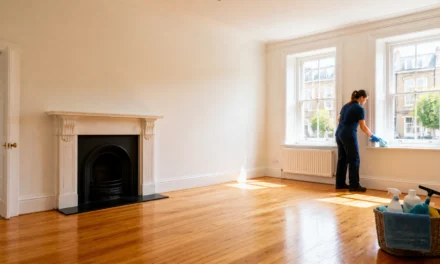
When one tenancy ends, the clock starts ticking. The property needs to be checked, cleaned, repaired where necessary, photographed and prepared for new tenants, often within a very short void period.
For landlords, letting agents and estate agents in Bury St Edmunds and across Suffolk, a professional turnaround clean can make this process much easier. It helps present the property well, supports accurate deposit decisions and means you can begin marketing the home again sooner.
This guide explains what a professional tenancy check out cleaning Suffolk service should cover, how long a turnaround clean can take and why it is different from an ordinary domestic clean.
Why turnaround cleaning matters
A property that is clean, fresh and ready for occupation is easier to market. It also creates a better first impression for new tenants, whether they are moving into a flat in central Bury St Edmunds, a family home in Thurston or a rental property elsewhere in Suffolk.
A thorough clean between tenancies can help you:
- Prepare the property for new tenants quickly
- Reduce avoidable delays during a short void period
- Present rooms well for photographs and viewings
- Identify maintenance issues while the property is empty
- Compare the condition against the check-in inventory
- Keep clear records if cleaning costs need to be considered as part of a deposit claim
- Give new tenants a clean and comfortable home from day one
Cleaning is one of the most common causes of disagreement at the end of a tenancy. A detailed check-in inventory, check-out report and dated photographs are essential. The clean itself is only one part of the process.
It is also important to remember that, under the Tenant Fees Act 2019 guidance, landlords and agents cannot force a tenant to pay for professional cleaning or require them to use a particular cleaning company. However, a tenant is generally expected to return the property to the same standard of cleanliness as at the start of the tenancy, allowing for fair wear and tear.
If cleaning is below that documented standard, reasonable costs may be claimed from the deposit. The aim should be to restore the property, not make it cleaner than it was at check-in.
What is a turnaround clean?
A turnaround clean is a detailed clean carried out after one tenant has moved out and before the next tenant moves in. It is also known as an end of tenancy clean, move-out clean or tenancy check-out clean.
The property should ideally be empty apart from fixtures, fittings and items that are staying. This gives the cleaning team access to areas that are usually missed during a regular domestic clean, including:
- Inside cupboards, drawers and wardrobes
- Behind and underneath appliances
- Inside ovens, fridges and freezers
- Skirting boards and door frames
- Window frames, sills and ledges
- Bathroom grout and shower fittings
- Floors beneath furniture
A professional turnaround clean is completed against a structured checklist rather than a quick visual tidy-up.

Practical landlord turnaround cleaning checklist
Use the original inventory as the benchmark. A property does not necessarily need to be returned to a higher standard than it had at the start of the tenancy.
Before the cleaners arrive
- Complete the check-out inspection
- Photograph each room and any cleaning concerns
- Make sure all tenant belongings and rubbish have been removed
- Check lofts, sheds, garages and under-stair storage
- Confirm electricity and hot water are available
- Defrost the freezer if internal freezer cleaning is required
- Remove food from the fridge and cupboards
- Arrange access, keys or a key safe code
- Share the inventory or agent checklist with the cleaning team
Throughout the property
- Remove cobwebs from ceilings, corners and light fittings
- Dust surfaces, shelves, skirting boards and ledges
- Wipe doors, handles, sockets and light switches
- Clean window glass, frames, sills and seals where included
- Vacuum carpets, stairs and upholstery
- Sweep and mop hard floors
- Clean inside cupboards, drawers and wardrobes
- Empty and disinfect bins
- Remove marks from paintwork where this can be done safely
- Clean radiators and accessible areas behind furniture
Kitchen
The kitchen is often one of the most time-consuming areas in an end of tenancy clean.
A proper kitchen clean should include:
- Degreasing the oven, racks, trays, door glass and seals
- Cleaning the hob, splashback and extractor fan
- Wiping the tops, fronts and insides of cupboards
- Cleaning drawers, handles and kickboards
- Descaling the sink and polishing taps
- Cleaning worktops and wall tiles
- Cleaning inside the microwave
- Wiping washing machine seals and detergent drawers
- Cleaning the dishwasher where applicable
- Emptying and cleaning the fridge and freezer
- Vacuuming and mopping floors
- Emptying, washing and disinfecting bins

Bathroom
Bathrooms need more than a quick spray and wipe. Limescale, soap residue and grout discolouration can build up during a tenancy and may be missed during a rushed clean.
Key tasks include:
- Cleaning and disinfecting toilets inside and out
- Descaling taps, shower heads and shower screens
- Cleaning baths, basins and shower trays
- Scrubbing tiles and grout
- Cleaning extractor fan covers
- Polishing mirrors and glass
- Wiping vanity units and bathroom storage
- Cleaning skirting boards and doors
- Vacuuming and mopping floors

Living rooms, bedrooms and hallways
- Dust all accessible surfaces
- Clean inside wardrobes and drawers
- Wipe skirting boards, doors and handles
- Clean light fittings and switches
- Vacuum carpets, stairs and flooring
- Vacuum under sofa cushions where applicable
- Clean window sills and internal frames
- Remove rubbish and unwanted items
- Check that cupboards and storage areas are empty
If carpets or upholstery were professionally cleaned at the start of the tenancy, consider whether they need the same treatment at check-out. Carpet and upholstery cleaning may be arranged as an additional service where there are stains, heavy use or pet odours.
What a quick DIY clean can miss
A tenant or landlord may be able to clean a small, lightly used property to a suitable standard. However, a quick DIY clean often focuses on visible surfaces and does not allow enough time for detailed work.
Commonly missed areas include:
- Oven racks and the inside of the oven door
- Grease on extractor filters
- Fridge door seals
- Washing machine drawers and rubber seals
- Tops of kitchen cupboards
- Inside drawers and wardrobes
- Limescale on shower fittings
- Mould or dirt in grout
- Skirting boards and door frames
- Areas behind appliances
- Window tracks and internal frames
- Dust on light fittings and extractor covers
Professional cleaners also work methodically. They can move from room to room using a checklist, concentrate on high-risk areas and identify tasks that may need specialist treatment rather than simply covering them up.

How long does a professional turnaround clean take?
The time required depends on the size and condition of the property, the number of bathrooms, the amount of limescale or grease and whether additional services are needed.
As a general planning guide:
- One-bedroom flat: around 3–5 hours
- Two-bedroom property: around 4–7 hours
- Three-bedroom house: around 6–10 hours
- Larger or heavily soiled homes: potentially a full day or longer
These timings assume the property is empty and that water, electricity and hot water are available. A two-person team can often complete a standard property in one working visit, although the exact time should be confirmed after discussing the property.
For a short void period, a sensible schedule is:
- Check-out day: complete the inventory inspection and take photographs.
- Next available day: carry out the professional clean.
- After cleaning: inspect the property, deal with any snagging and photograph the finished rooms.
- Once ready: arrange marketing photographs, viewings or the new tenant’s move-in.
Booking early is particularly important during busy moving periods. If the property requires carpet cleaning, oven treatment, rubbish removal or minor repairs, allow extra time.
Turnaround cleaning versus a standard domestic clean
A standard domestic clean is designed to maintain a lived-in home. It normally covers regular dusting, vacuuming, mopping, bathroom cleaning and kitchen surface cleaning.
A turnaround clean is more detailed and is designed for an empty property between occupants. It usually includes:
- Internal cleaning of cupboards and drawers
- Internal cleaning of appliances
- Oven and fridge cleaning
- Detailed descaling
- Cleaning inside windows where agreed
- More attention to skirting boards, doors and frames
- Cleaning areas hidden by furniture
- A room-by-room checklist
- Preparation for inspection and new occupation
This is why a regular domestic clean should not automatically be treated as an end of tenancy clean. For landlords searching for domestic cleaners Bury St Edmunds, it is important to explain whether you need ongoing maintenance cleaning or a full move-out service.
Likewise, a deep cleaning Bury St Edmunds service may be suitable for a lived-in property that needs extra attention, while an end of tenancy clean is specifically planned around an empty home and a tenancy handover.
How professional cleaning supports deposit records
A professional clean cannot guarantee a deposit deduction will be accepted. Your evidence remains the most important part of the process.
Keep:
- The signed check-in inventory
- Date-stamped check-in and check-out photographs
- The check-out report
- Cleaning quotations or invoices
- Notes about areas outside the cleaning company’s scope
- Records of any repairs or specialist work required
The GOV.UK guidance on deposit protection schemes provides further information for landlords. For a useful room-by-room reference, the Total Landlord end of tenancy cleaning checklist also highlights the importance of comparing check-in and check-out condition.
Choosing professional cleaners in Suffolk
When comparing professional cleaners Suffolk landlords can rely on, ask:
- Do you cover Bury St Edmunds and the surrounding area?
- Is the service designed for end of tenancy or move-out cleaning?
- Are oven, fridge, freezer and cupboards included?
- Is bathroom descaling included?
- Can carpet or upholstery cleaning be added?
- Do you work from an inventory or agent checklist?
- Can you provide an invoice after the clean?
- How quickly can you attend between tenancies?
- What happens if an agent identifies a missed cleaning task?
At Cleaning, we support landlords, letting agents, estate agents and private clients across Bury St Edmunds and Suffolk with practical cleaning services for changing tenancy needs. Whether you need a full end of tenancy cleaning Bury St Edmunds service, a one-off clean or additional deep cleaning, planning the work around your check-out date can help keep the handover straightforward.
For a property that needs cleaning after a tenant moves out, contact Cleaning to discuss the size of the property, its condition and your required turnaround date.
Frequently asked questions
Can a landlord require tenants to pay for professional cleaning?
No. A landlord or agent cannot make professional cleaning a compulsory fee or require a tenant to use a particular cleaning company. The property should be returned to the same standard of cleanliness as at check-in, allowing for fair wear and tear.
Can cleaning costs be taken from the deposit?
Potentially, if the property has been left less clean than it was at the start of the tenancy. Any proposed deduction should be reasonable, supported by evidence and limited to restoring the original standard.
Is a professional end of tenancy clean always necessary?
Not always. A landlord, agent or tenant may complete the work themselves if they have the time and can meet the required standard. Professional cleaning is especially useful when the property is large, heavily used or needs to be re-let quickly.
Should the property be empty before cleaning?
Yes, wherever possible. An empty property allows cleaners to reach cupboards, floors, appliances and other areas that are blocked by personal belongings. Tenants’ items, rubbish and food should be removed before the team arrives.