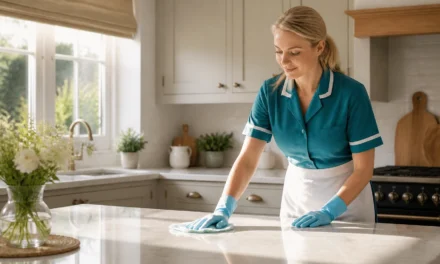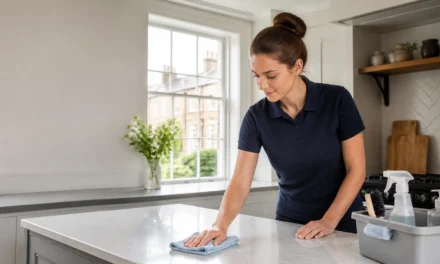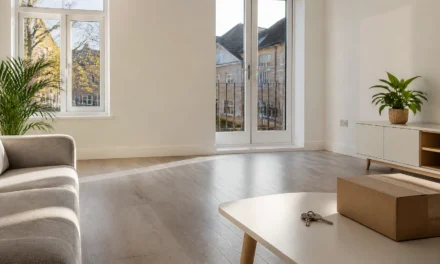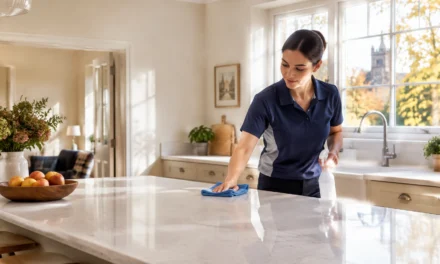
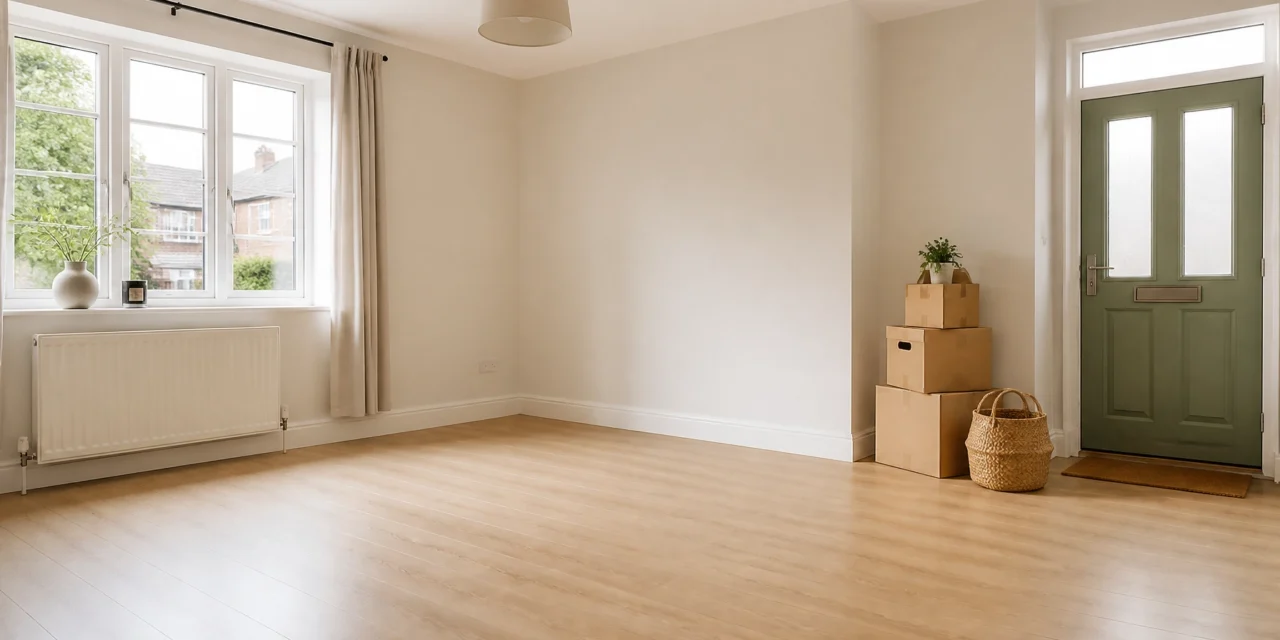
Moving house is busy enough without worrying about every mark, cupboard and corner in your old property. If you are a tenant preparing to hand back your keys, a clear move out cleaning plan can make the process much easier.
For renters in Bury St Edmunds and the surrounding Suffolk area, the aim is usually to leave the property in a similar standard of cleanliness to when you moved in, allowing for fair wear and tear. Your tenancy agreement, check-in inventory and letting agent’s instructions should always be your first reference points.
This practical checklist covers the main areas landlords and agents commonly inspect, from kitchen appliances to skirting boards. It also explains when booking professional cleaners in Suffolk could save time and reduce moving-day stress.
What does move out cleaning involve?
Move out cleaning is a detailed one-off clean carried out after your belongings have been removed, or in stages as rooms become empty. It is more thorough than a regular domestic clean because it focuses on the areas that are often missed during everyday cleaning.
This may include:
- Cleaning inside cupboards, wardrobes and drawers
- Degreasing ovens, hobs and extractor fans
- Removing limescale from bathrooms and taps
- Wiping skirting boards, doors, switches and frames
- Cleaning internal windows, sills and accessible tracks
- Vacuuming carpet edges and mopping hard floors
- Removing rubbish and personal belongings
- Checking storage areas, garages, sheds and gardens
You do not normally have to use a professional cleaning company simply because a tenancy agreement mentions professional cleaning. The important requirement is generally the condition and cleanliness of the property when you leave. Shelter’s tenant guidance explains the importance of comparing the property with its condition at the start of the tenancy.
However, a professional one-off clean can be a sensible choice when time is limited or the property needs more detailed attention.
Before you start: check your inventory
Find your check-in inventory and read any move-out instructions from your landlord or letting agent. These documents can show:
- Which rooms and storage areas were included
- The condition of appliances at the start
- Whether carpets, curtains or windows were professionally cleaned
- Existing marks, stains or damage
- Any outdoor areas that are part of your responsibility
Your target is not to improve the property beyond its original condition. You should aim to return it to a comparable standard, while allowing for normal wear and tear.
Take dated photographs or video after cleaning. Photograph each room, the inside of appliances, cupboards, bathrooms, floors and any areas that were already marked. Keep your cleaning receipts or professional invoice too. The Tenancy Deposit Scheme explains what evidence may be relevant if cleaning becomes part of a deposit dispute.

Whole-property move out cleaning checklist
Work from the top of each room downwards. This stops dust and dirt falling onto areas you have already cleaned.
Every room
- Remove all furniture, belongings and rubbish where possible.
- Check behind doors, under furniture and inside storage spaces.
- Remove cobwebs from ceilings, corners and light fittings.
- Dust lampshades, ceiling lights, vents and extractor covers.
- Wipe doors, door frames, handles and the tops of doors.
- Clean light switches and socket covers carefully.
- Dust and wipe skirting boards, radiators and accessible pipework.
- Spot-clean suitable painted walls to remove marks and scuffs.
- Clean internal windows, frames, sills and accessible tracks.
- Vacuum carpets thoroughly, including edges and corners.
- Sweep and mop hard floors using a suitable product.
- Empty every bin and remove rubbish from the property.
Avoid using excessive water on painted walls, laminate, wood or other surfaces that could be damaged. If you are unsure, use the manufacturer’s cleaning guidance or ask a professional.
Kitchen checklist
The kitchen is one of the most closely inspected areas at check-out. Grease, food residue and marks can remain hidden around appliances and inside cupboards.
- Empty and clean all cupboards, drawers and shelves.
- Wipe cupboard doors, handles and the areas around hinges.
- Clean worktops, splashbacks and wall tiles.
- Degrease the hob, rings, controls and extractor hood.
- Clean the oven interior, racks, trays, glass door and seals.
- Wipe the microwave inside and out.
- Empty and clean the fridge and freezer, including shelves, drawers and seals.
- Defrost the freezer if required by your tenancy instructions.
- Clean the dishwasher, including the filter and rubber seal.
- Clean the washing machine drum, detergent drawer and door seal.
- Wipe the outside of all appliances.
- Scrub the sink and drain area, then polish the taps.
- Remove visible limescale from taps and fittings.
- Clean the kitchen window, frame and sill.
- Vacuum, sweep and mop underneath and around appliances where accessible.
- Wash and dry the kitchen bin before removing it or leaving it empty.
Do not disconnect or dismantle fixed appliances unless you have been specifically instructed and can do so safely.
Bathroom and WC checklist
Bathrooms can quickly show soap residue, limescale and moisture marks. Allow extra time for these areas, particularly if they have not been thoroughly cleaned for a while.
- Clean and disinfect the toilet bowl, seat, lid, outside and base.
- Clean behind and around the toilet where accessible.
- Scrub the bath, shower tray, basin and surrounding surfaces.
- Remove soap scum from tiles and shower screens.
- Descale taps, showerheads and other metal fittings.
- Clean grout and remove surface mildew where possible.
- Wipe vanity units, shelves and bathroom cupboards inside and out.
- Polish mirrors and other glass surfaces.
- Clean the extractor fan cover or ventilation grille.
- Wipe radiators, towel rails, doors, handles and switches.
- Clean the window, frame and sill.
- Sweep and mop the floor, including corners and behind fittings.
- Empty the bathroom bin.
If there is mould caused by a building problem, leak or ventilation issue, report it to your landlord or agent rather than trying to hide it. Cleaning can remove surface marks, but it cannot resolve an underlying repair issue.

Bedrooms and living areas
Once these rooms are empty, cleaning is usually straightforward, but storage and woodwork are easy to overlook.
- Empty and wipe inside wardrobes, cupboards and drawers.
- Clean wardrobe doors, handles, shelves and floors.
- Dust shelves, picture rails, ledges and mantelpieces.
- Wipe skirting boards, doors and frames.
- Clean light fittings, switches, sockets and radiators.
- Remove marks from washable walls where appropriate.
- Clean mirrors, internal windows, sills and frames.
- Dust blinds, curtain rails and other fixed window coverings.
- Vacuum carpet edges, corners and areas beneath furniture.
- Treat obvious stains only with a suitable product for the flooring.
- Sweep and mop hard floors.
- Remove nails, hooks or adhesive strips if your tenancy instructions require this, taking care not to damage the wall.
Normal fading, worn carpets and minor marks caused by everyday use may be considered fair wear and tear. Cleaning will not repair damage, so report any concerns honestly and keep copies of previous correspondence.
Hallways, stairs and other areas
Do not finish your checklist at the main rooms. Agents may also inspect entrances, stairways, utility spaces and outside storage.
- Vacuum stairs carefully, including edges and corners.
- Wipe bannisters, handrails and skirting boards.
- Clean front and back doors on the inside, including handles.
- Dust hallway lights, switches, radiators and vents.
- Sweep and mop entrance floors.
- Empty and clean utility areas.
- Wipe the washing machine or tumble dryer exterior and accessible filters.
- Clear and sweep garages, sheds, lofts and storage cupboards.
- Remove personal items from gardens, patios and bin stores.
- Leave bins in the correct place and avoid leaving rubbish behind.

When should you book a professional move out clean?
Book as early as you can, especially if your moving date is fixed. Ideally, arrange your clean at least one to two weeks ahead. This gives you a better chance of getting a suitable time and leaves room to deal with any missed areas before the check-out inspection.
The best time for the main clean is usually:
- After most furniture and belongings have been removed
- Before the final inspection or key handover
- On moving day, if the property can be accessed after the removal van leaves
- The day before moving, followed by a quick final floor and surface check
Professional cleaning services in Bury St Edmunds can be particularly helpful if you are working, moving long-distance, managing children or pets, or handing back a large property. You may also want help when the oven, carpets, bathrooms or neglected areas need specialist equipment and extra time.
When requesting a quote, tell the cleaner:
- The property size and number of bedrooms
- Whether it is furnished or empty
- Your check-out date and preferred time
- Whether oven or carpet cleaning is needed
- If there are garages, sheds, conservatories or outdoor areas
- Whether the agent has supplied a specific checklist
- How keys will be collected if you cannot stay
A reliable move out cleaning service should explain what is included rather than assuming every one-off clean is the same.
Your final moving-day check
Before returning the keys, walk through the property slowly with your inventory. Open every cupboard, drawer and appliance. Check behind doors, inside wardrobes and around toilets. Make sure all rubbish and personal belongings have been removed.
Then:
- Take final dated photographs or video.
- Record meter readings if required.
- Check windows and doors are secure.
- Return all keys, fobs and parking permits.
- Send any requested cleaning invoice to your agent.
- Keep copies of your check-out report and messages.
If you are looking for move out cleaning in Bury St Edmunds, or tenancy check out cleaning in Suffolk, a local one-off cleaning team can take care of the detailed work while you focus on the move itself. With the right timing and a room-by-room plan, handing back your rental property can be far less stressful.
For general deposit guidance, you can also refer to the Tenancy Deposit Scheme’s advice on whether tenants need to professionally clean.