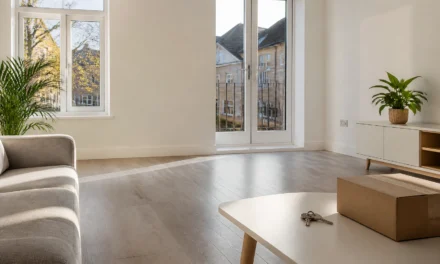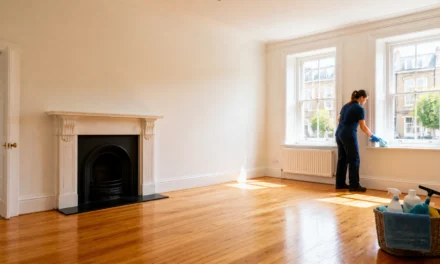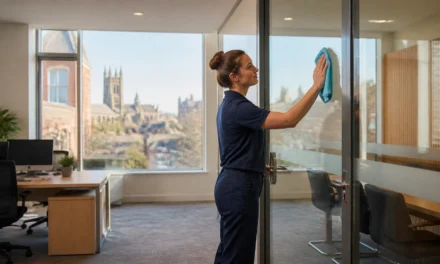
A regular clean helps keep your home under control. A deep clean goes further, reaching the areas that are often missed during everyday housekeeping.
For homeowners, tenants, landlords and local businesses, professional deep cleaning can make a noticeable difference to the comfort and condition of a property. It can also be useful before a house sale, after building work, when moving into a new home or at the end of a tenancy.
If you are looking for deep cleaning in Bury St Edmunds, this guide explains what is usually included, when to book and how to prepare.
What is the difference between a regular clean and a deep clean?
A regular clean is designed to maintain a reasonable level of cleanliness. It may include vacuuming, mopping, dusting, cleaning bathrooms and wiping kitchen surfaces.
A deep clean is more detailed and usually takes longer. It focuses on built-up dirt, grease, limescale, dust and areas that are not cleaned every week, such as:
- Skirting boards and door frames
- Inside cupboards and drawers
- Behind and underneath accessible furniture
- Light switches, handles and bannisters
- Window frames, sills and interior glass
- Kitchen appliances and splashbacks
- Bathroom grout, taps and shower screens
- Radiators, reachable light fittings and high-level cobwebs
The exact checklist depends on the property, its condition and whether it is furnished or empty. A deep clean for an occupied family home may be tailored around your priorities, while an end of tenancy cleaning service in Bury St Edmunds is normally completed room by room against the expected condition of the property.
What does a professional deep clean include?
Kitchen deep cleaning
Kitchens often need the most concentrated work because grease, food residue and limescale build up gradually.
A professional kitchen deep clean may include:
- Cleaning worktops, splashbacks and tiled areas
- Degreasing the hob and extractor exterior
- Cleaning cupboard doors, handles and reachable surfaces
- Cleaning inside cupboards and drawers if they are empty
- Descaling the sink and taps
- Wiping doors, skirting boards and light switches
- Cleaning the outside of appliances
- Vacuuming and mopping the floor
- Cleaning interior windows, frames and sills where included
Oven cleaning, fridge-freezer cleaning and dishwasher cleaning may be included in some packages or quoted as additional services. If you are a tenant, check your check-in inventory so you know which appliances need particular attention.

Bathroom and toilet cleaning
Bathrooms require detailed cleaning because soap residue, moisture and limescale can quickly become noticeable.
A deep bathroom clean commonly includes:
- Descaling taps, shower fittings and shower screens
- Cleaning baths, shower trays and basins
- Scrubbing tiles and grout
- Cleaning mirrors and bathroom cabinets
- Disinfecting toilets inside and out
- Wiping doors, handles, skirting boards and switches
- Dusting reachable extractor fans and fittings
- Vacuuming and mopping floors
Mould and heavy staining may need separate treatment, especially if the problem is caused by ventilation, leaks or ongoing damp. Cleaning can improve the appearance, but it does not replace repairs or damp investigation.
Bedrooms, living rooms and hallways
In living areas, bedrooms and hallways, deep cleaning is about removing dust from both visible and overlooked surfaces.
This may include:
- Dusting shelves, ledges and furniture
- Cleaning skirting boards and door frames
- Wiping radiators and reachable light fittings
- Removing cobwebs from corners and ceilings
- Cleaning handles, switches and bannisters
- Vacuuming carpets and rugs
- Mopping hard floors
- Cleaning internal windows, frames and sills
- Cleaning behind or underneath accessible furniture
Upholstery and carpet cleaning can be added where required. This may be particularly useful after pets, illness, building work or long periods of heavy use.
When should you book a deep clean in Bury St Edmunds or Suffolk?
There is no single correct time to arrange a deep clean. Many people book one when the property needs a reset or before an important change.
Spring and autumn
Spring is a popular time to remove winter dust, refresh carpets and clean windows. Autumn is useful for preparing the home for more time indoors, cleaning around radiators and dealing with dust or debris before winter.
Homes in Bury St Edmunds and the surrounding Suffolk area experience changing weather throughout the year. Planning indoor cleaning during spring or autumn can make it easier to ventilate rooms and allow carpets or upholstery to dry properly.
After illness
A thorough clean after illness can help refresh frequently touched surfaces and improve the general feel of the home. Particular attention can be given to door handles, switches, bannisters, bathrooms and kitchen surfaces.
Cleaning cannot guarantee the removal of every virus or illness, but professional cleaners can follow suitable hygiene procedures and use appropriate products for the surfaces being treated.
Before guests arrive
If you are preparing for family, friends or visitors, a one-off deep clean can save time and help you focus on hosting. It is especially useful before Christmas, birthdays, celebrations or overnight guests.
Before selling or letting a property
A clean, fresh property is easier to present to prospective buyers or tenants. A deep clean can help improve first impressions by tackling kitchens, bathrooms, floors, windows and visible dust before photographs, viewings or open days.
Landlords and estate agents may also arrange a clean between tenancies so the property is ready for new occupants.
Moving into a new home
A move-in clean gives you the opportunity to clean empty rooms before furniture and boxes arrive. It can include cupboards, appliances, floors, skirting boards and bathrooms that may be harder to reach once the property is occupied.
After pets or building work
Pets can leave behind hair, odours and marks in carpets, upholstery and flooring. Building work can create fine dust across rooms, even when the main work area has been tidied.
A post-building-work clean may require extra time for dust removal, detailed vacuuming and cleaning surfaces from top to bottom.
How long does a deep clean take?
The time required depends on the size and condition of the property. A small flat may take several hours, while a larger house can take most of a day or longer.
Factors that affect the time include:
- Number of bedrooms, bathrooms and reception rooms
- Whether the property is furnished or empty
- The amount of grease, limescale, dust or pet hair
- The condition of carpets and upholstery
- Whether cupboards and appliances need cleaning inside
- Access to the property, parking and water supplies
- Additional services such as oven or carpet cleaning
- Whether the clean follows building work or a long period without cleaning
A reliable cleaner should ask questions about the property before confirming the appointment. Photos or a short visit may help provide a more accurate estimate.
What affects the price?
There is no universal price for deep cleaning because every property is different. A quote may be based on the size of the home, the number of cleaners required, the estimated time and the work involved.
The price may increase if you require:
- Oven or fridge-freezer cleaning
- Carpet or upholstery cleaning
- Interior window cleaning
- Heavy limescale or grease removal
- Pet hair and odour treatment
- Cleaning after decorating or construction
- Rubbish removal
- A short-notice appointment
When comparing cleaning services in Bury St Edmunds, ask whether the quote includes materials, equipment, VAT where applicable and any requested extras. It is also sensible to request a written checklist so you know what will be completed.
How to prepare your home for a deep clean
You do not need to clean before the cleaner arrives, but a little preparation can help the visit run smoothly.
Before the appointment:
- Remove personal items, toys and clutter from floors and surfaces.
- Empty cupboards, drawers and appliances that you want cleaned inside.
- Put away valuable, fragile or important items.
- Clear food and loose items from kitchen worktops.
- Make sure cleaners can access bathrooms, bedrooms and storage areas.
- Tell the cleaning company about pets, allergies, delicate materials or areas to avoid.
- Confirm parking, keys, alarm instructions and access arrangements.
- If you are moving out, remove all belongings and rubbish before the clean begins.
For an empty property, cleaning is usually more efficient because the team can reach more floors, corners and surfaces.

Tenants: can a deep clean protect your deposit?
For tenants, an end-of-tenancy deep clean can reduce the risk of cleaning-related deposit disputes, particularly where the check-in inventory records a high standard of cleanliness.
However, tenants in England generally need to return a rental property in the same level of cleanliness as at the start of the tenancy, allowing for fair wear and tear. A landlord cannot normally insist that you pay for a professional cleaning service simply because you are leaving.
The important evidence is the check-in inventory, photographs and the condition of the property at move-out. As explained by Shelter’s guidance on cleaning and tenancy deposits, dirt and grime are different from normal wear and tear.
If you book a cleaner, keep:
- The booking confirmation
- A copy of the cleaning checklist
- Your invoice or receipt
- Photographs taken after cleaning
- Copies of the check-in and check-out reports
Pay particular attention to ovens, cupboards, bathrooms, flooring, windows, skirting boards and rubbish removal. These are areas often noted during a final inspection.

How to book professional deep cleaning in Bury St Edmunds
When contacting professional cleaners in Suffolk, explain:
- Your location, such as Bury St Edmunds or a surrounding village
- The property size and number of rooms
- Whether the property is occupied or empty
- Why you need the clean
- Any pets, building work or heavy staining
- Whether you need an oven, fridge, carpet or upholstery clean
- Your preferred date and access arrangements
A local cleaning company can then recommend the right service rather than treating every booking as a standard clean.
Whether you are preparing for a new tenant, moving home, refreshing your family property or arranging a one-off clean, a professional deep clean can make the process simpler. For homeowners, tenants and businesses across Bury St Edmunds and surrounding Suffolk, the best starting point is a clear checklist, an honest description of the property and a quote based on the work actually required.
If your home or property needs a thorough reset, contact a local cleaning team to discuss your requirements and arrange a suitable deep clean.